
Silverfish in New Zealand: How to Get Rid of Them for Good
Silvery, fish-like insects darting across the bathroom floor at night? Here's how to identify silverfish, understand the damage they do to books and fabrics, and get rid of them in your Kiwi home — chemical-free.
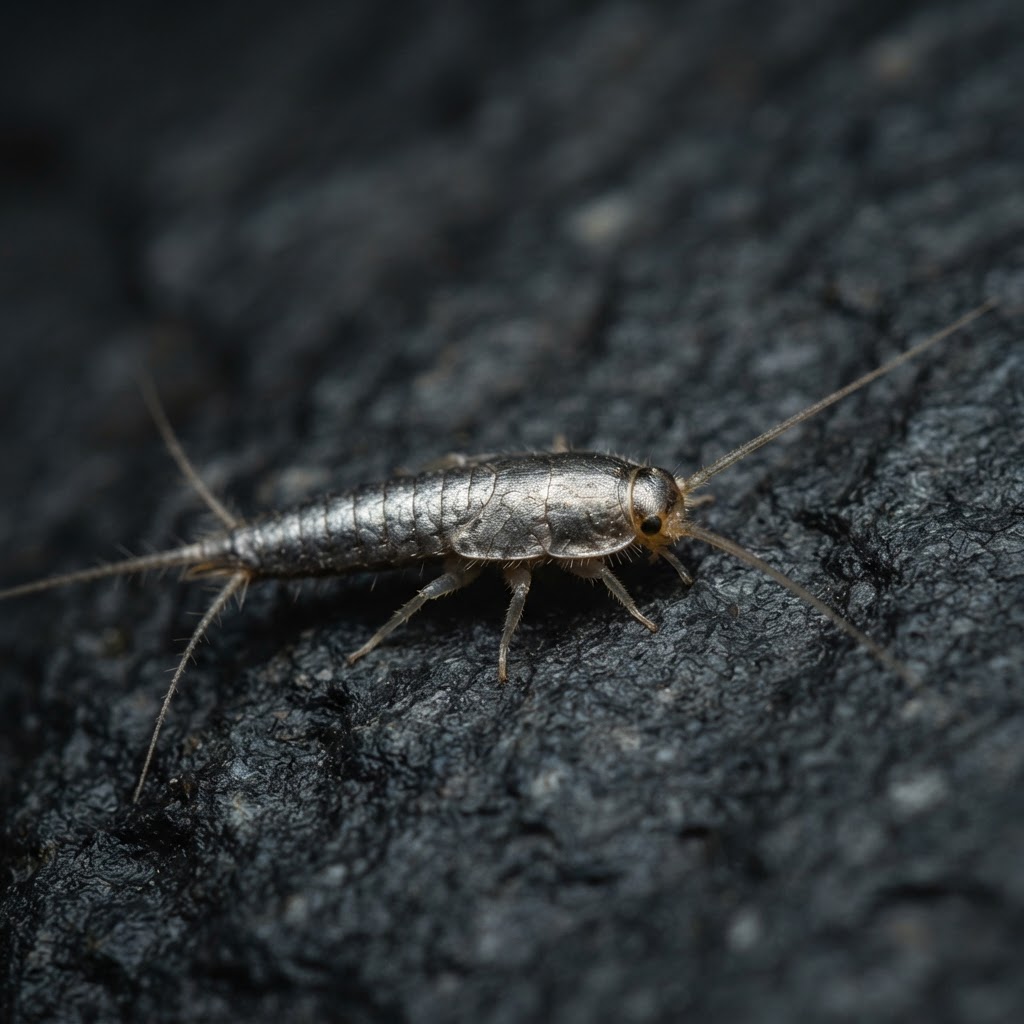
Silverfish are the silvery, teardrop-shaped insects that dart across the bathroom floor the moment you flick on the light at night. They're one of the oldest insects on earth — a wingless scavenger that has barely changed in 400 million years — and they've earned a reputation as one of the most persistent household pests in New Zealand.
The good news: silverfish don't bite, sting or spread disease. The bad news: they chew through books, wallpaper paste, photographs, documents, stored clothing and pantry starches, leaving small holes, yellow stains and peppery black droppings. Here's how to tell them apart, find the source, and shut them down without reaching for harsh chemicals.
What are silverfish?
The silverfish (Lepisma saccharina) is a wingless insect in the ancient order Zygentoma. It's covered in fine silvery scales, grows to 10–20 mm, and tapers at the rear into three long bristle-like tails. Two long antennae sweep forward from the head. When disturbed it moves in a quick, darting, fish-like scuttle — which is exactly how it got its name.
Silverfish are nocturnal and secretive. By day they hide in tight crevices — behind skirting boards, under sinks, inside wardrobes and in stacks of old papers. By night they forage, which is why a few sightings usually mean many more are tucked away out of sight. They need moisture and humidity to thrive, so a damp Kiwi bathroom, laundry or roof space is their ideal home.
How to identify a silverfish problem
- Shape & colour: wingless, silvery-grey and metallic, 10–20 mm, tapering at the rear with three tail bristles.
- Shed skins: silvery, paper-thin moulted skins left in dark corners are a sure sign silverfish are breeding.
- Droppings: tiny black, peppery specks on shelves, in drawers or under books.
- Damage: small irregular holes and yellowish stains in books, wallpaper, photos, papers and stored clothing.
- Sightings: silverfish seen during the day, or in several rooms, signal a real infestation rather than a passing visitor.
Are silverfish harmful?
Not to your health. Silverfish don't bite, sting or carry disease, and there's no evidence they're poisonous. The harm is to your belongings: they feed on starch, sugar and cellulose, chewing through books, wallpaper paste, photographs, documents, natural-fibre clothing and pantry food. Their shed skins can also trigger allergic or asthma reactions in some people. In short, they're a costly nuisance rather than a medical risk — but a nuisance worth dealing with before they damage irreplaceable books and photos.
What causes silverfish in the house?
Two things above all: moisture and food. Silverfish need humid conditions to survive and breed, which is why they favour bathrooms, laundries, roof spaces and any room with a leak or poor ventilation. They feed on starchy, cellulose-rich materials — paper, book glue, wallpaper paste, cardboard, cereals, flour, pasta and natural fibres. A home with a damp bathroom and a stack of old boxes in the roof is prime silverfish territory.
Where do silverfish live?
- Bathrooms, laundries, kitchens, basements and roof spaces.
- Behind and under appliances, water heaters and sinks.
- Inside wardrobes, bookshelves and stacks of paper or cardboard boxes.
- Under floorboards, behind skirting boards and beneath wallpaper.
- In pantries and food storage areas where starchy food is kept.
How to get rid of silverfish — the complete approach
Silverfish are persistent, so the real fix combines three things: dry out the home, remove their food, and trap the stragglers.
1. Reduce moisture
- Fix leaky pipes, taps and plumbing — moisture is what keeps silverfish indoors.
- Run a dehumidifier or open windows in damp bathrooms and laundries.
- Ventilate roof spaces and use extractor fans when showering or cooking.
2. Remove their food and hiding spots
- Store books, papers and photos in sealed plastic tubs rather than cardboard boxes.
- Keep pantry starches — flour, cereal, pasta — in airtight containers.
- Declutter old boxes, magazines and paper piles; vacuum along skirting boards and behind appliances to clear eggs and shed skins.
- Seal cracks in skirting boards, around pipes and behind cupboards where they hide.
3. Trap the stragglers
Place a reusable silverfish trap in the dark, damp spots where you've seen them — under sinks, in wardrobes, near bookshelves and along skirting boards. A baited trap catches silverfish where they travel at night, takes simple household bait (flour, bread or cereal), and can be emptied and reused for years. Check and reset it every few days until the silverfish are gone.
A simple DIY silverfish trap
You can make a basic trap with a glass jar: cover the outside in masking tape so silverfish can climb up, bait the inside with a little flour or bread, and set it where you've seen them. The rough tape lets them climb in, but the smooth glass inside stops them climbing out. Check and empty it every couple of days. For a longer-lasting, reusable option, a dedicated GotchaPest silverfish trap does the same job season after season without throwaway glass.
How to stop silverfish coming back
- Keep bathrooms, laundries and roof spaces dry and well-ventilated.
- Store books, papers, photos and out-of-season clothing in sealed plastic tubs.
- Keep pantry food in airtight containers and clear crumbs and spills promptly.
- Seal cracks and gaps where silverfish hide, and declutter forgotten corners.
- Keep a trap in the spots they favour so any new arrivals are caught early.
Frequently asked questions
Should I be worried if I see silverfish?
Seeing one or two at night is normal, but silverfish during the day, in several rooms, or in growing numbers is a sign of an infestation. Because they hide by day, a few sightings usually mean many more are hiding out of sight.
Do silverfish bite or sting?
No. Silverfish don't bite, sting or spread disease. The concern is damage to books, papers, fabrics and pantry food rather than any health risk to your family.
Are silverfish a sign of a dirty house?
Not necessarily — silverfish are drawn to dampness and dark hiding spots, not dirt. Even a clean home with a humid bathroom or a leaky pipe can have silverfish. The fix is moisture control and decluttering, not deep cleaning alone.
What is the best trap for silverfish in NZ?
A reusable, bait-based silverfish trap placed in dark, damp spots. GotchaPest traps take simple household bait, catch silverfish where they're most active, and can be emptied and reused season after season without chemicals.
Silverfish FAQ — common search terms answered
What is a silverfish insect?
The silverfish insect (often typed as “silver fish insect” or “insect silver fish”) is the same wingless, silvery scavenger described above — Lepisma saccharina. Some Kiwis call it a “silverback bug”, though it isn’t a true bug at all; it belongs to the ancient insect order Zygentoma. Whatever you call it, the household silverfish is a moisture-loving pest that feeds on starch and cellulose.
I have silverfish in the house — what now?
Whether you’re searching “silverfish in house”, “silverfish in home”, “silverfish inside house” or “silverfish bug in house”, the fix is the same three-step approach above: dry the home out, remove their food and hiding spots, and set a baited reusable trap in the dark, damp corners where you see them. Household silverfish rarely travel far from water, so focus on bathrooms, laundries, roof spaces and under-sink cupboards.
What’s the best silverfish control method?
Effective silverfish control — whether you know it as “insect silverfish control”, “silverfish bug control” or “silverfish pest control” — always starts with moisture reduction. No chemical spray will outpace a damp bathroom. Pair ventilation and dehumidifying with a reusable, chemical-free trap and you have lasting silverfish pest control without harsh poisons.
How do I get rid of silverfish insects for good?
“Silverfish insects how to get rid” is one of our most-searched questions. The answer: combine the moisture, food and trapping steps above, keep humidity below 50%, and check your trap weekly. Because the reusable silverfish trap lasts for years, a single setup gives you ongoing protection against reinfestation.

Not sure which pest you're dealing with?
Snap a photo and — our NZ-made AI pest assistant will identify it from our verified species database and recommend the right trap. Free, honest, and grounded in real Kiwi catch data.
GotchaPest Team
NZ-made pest control, designed in Aotearoa for Kiwi conditions. Our traps are UV-tough, reusable and bee-safe — paired with the world's first AI Trap Buddy and the GotchaPest community pest tracker. Available at Mitre 10, Kings Plant Barn and right here online.
Recommended traps for this guide
NZ-made, UV-tough and built to last. Available at Mitre 10, Kings Plant Barn and right here.
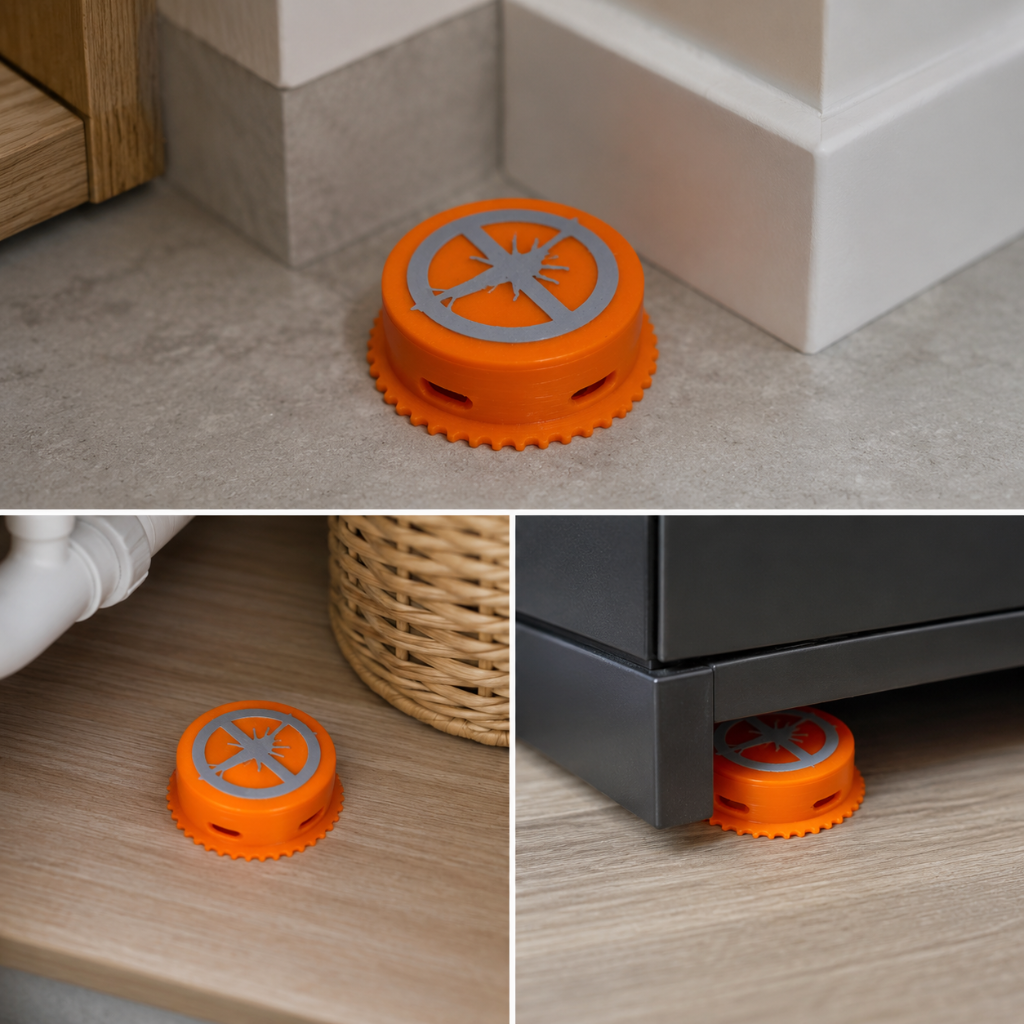
Reusable silverfish trap for damp Kiwi homes — protects books, papers, photos and fabrics. Silverfish crawl in, feed on the poisoned bait and die from it — they're not trapped inside.
Trap smarter with GotchaPest
UV-tough, NZ-made traps paired with the app and Buzzy — the first ever AI Trap Buddy.