Silverfish
Reusable silverfish traps that protect your books, papers and fabrics.
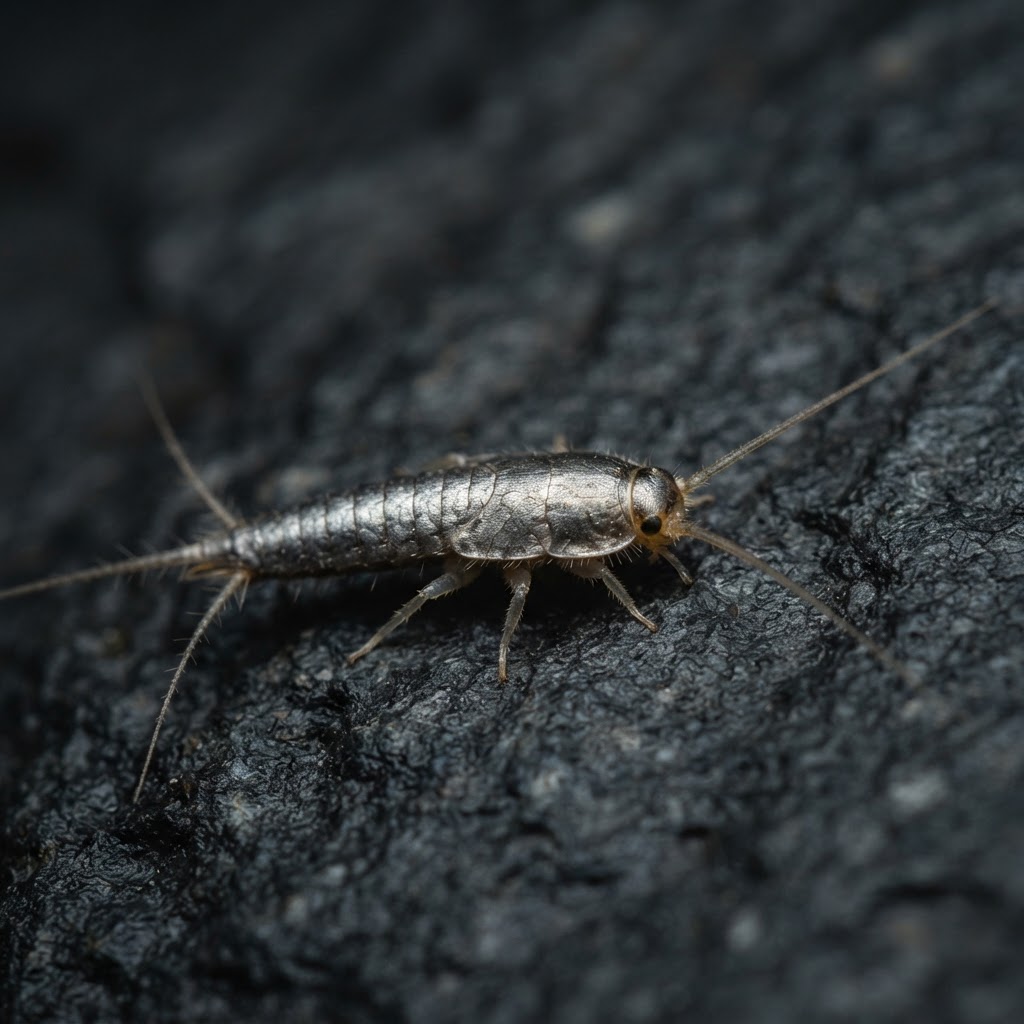
Silverfish are the silvery, teardrop-shaped insects that dart across the bathroom floor when you flick on the light at night. They've been scuttling around the planet for roughly 400 million years — far longer than humans — and they've earned a reputation as one of the most persistent household pests in New Zealand.
They don't bite, sting or spread disease, but silverfish chew through books, wallpaper paste, photos, documents, stored clothing and pantry staples. A damp Kiwi bathroom, laundry or roof space is their ideal home, and once they settle in they're hard to shift. The fix is a mix of moisture control, decluttering and a well-placed reusable trap — no harsh chemicals required.
 Ask Buzzy
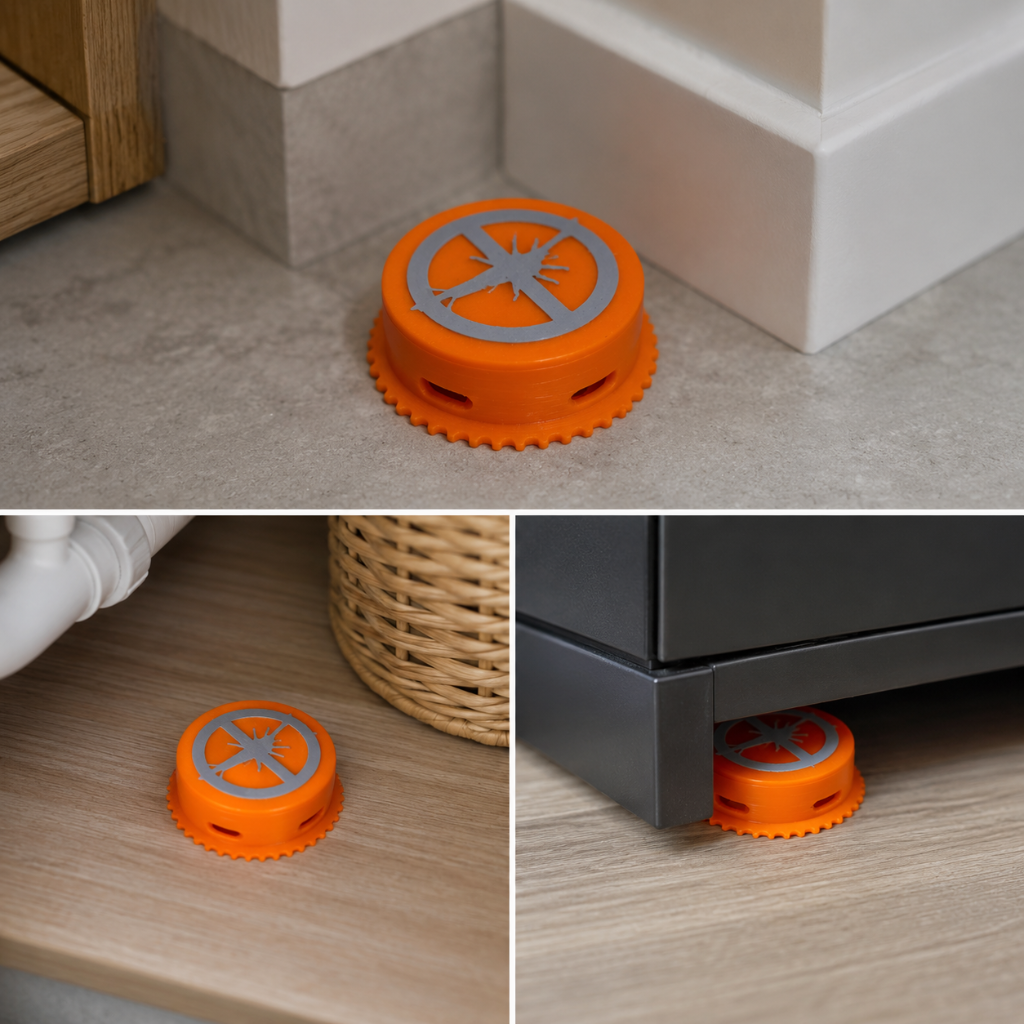
Reusable silverfish trap for damp Kiwi homes — protects books, papers, photos and fabrics. Silverfish crawl in, feed on the poisoned bait and die from it — they're not trapped inside.
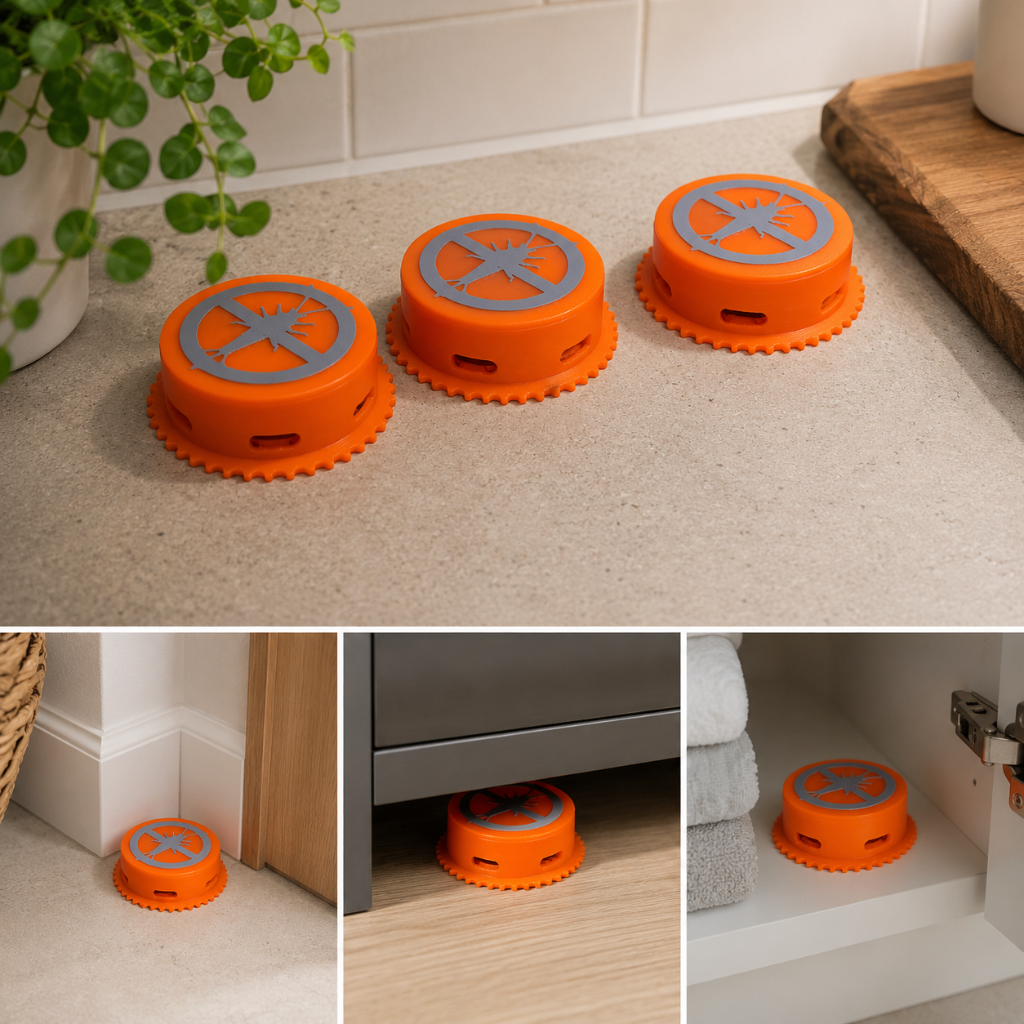
Three reusable silverfish traps with 10% off — cover the pantry, wardrobe and bathroom at once. Silverfish crawl in, feed on the poisoned bait and die from it — they're not trapped inside.
How to identify silverfish
Silverfish are easy to recognise once you know the shape. They're wingless, covered in silvery scales, and taper to three long bristle-like tails at the rear. They move in a quick, darting, fish-like scuttle — which is exactly how they got their name.
- •Adults 10–20 mm long, silvery-grey and metallic-looking.
- •Teardrop-shaped body that tapers at the rear, with two long antennae and three tail bristles.
- •Wingless, fast-moving and nocturnal — you'll mostly see them at night or when disturbed.
- •Shed silvery skins and tiny black peppery droppings are the tell-tale signs of an infestation.
Are silverfish harmful?
Not to your health — silverfish don't bite, sting or carry disease. The harm is to your belongings. They feed on starches and polysaccharides, chewing holes in books, wallpaper, photographs, paperwork, natural-fibre clothing and stored pantry food. Their shed skins and droppings can also trigger allergic or asthma reactions in some people. In short, they're a costly nuisance rather than a health hazard.
Life cycle & fun facts
Silverfish are primitive insects in the order Zygentoma — they never had wings, even hundreds of millions of years ago. Unlike most insects they moult throughout their entire adult life, which is why you find their shed skins. Females lay small batches of eggs in dark crevices; eggs hatch in two weeks to two months and the young take three months to three years to mature, depending on warmth and humidity.
Fun fact: Silverfish are living fossils — they evolved around 400 million years ago, long before the dinosaurs, and have barely changed since. They're one of the oldest insect lineages still alive today.
What silverfish eat
Anything rich in starch, sugar or cellulose: paper, book bindings and glue, wallpaper paste, photographs, cardboard, cereals, flour, pasta, dried meats, and natural fibres like cotton, linen and silk. They'll even feed on human hair and the mould that grows on damp surfaces. Find their food source and you've found the heart of the problem.
How to get rid of silverfish
Silverfish love damp, dark, undisturbed places — so dry the home out, remove their food and trap the stragglers.
Remove the attraction
- ✓Fix leaky pipes, taps and plumbing — silverfish are drawn to moisture as much as food.
- ✓Run a dehumidifier or open windows in damp bathrooms, laundries and roof spaces.
- ✓Store books, papers and photos in sealed plastic tubs rather than cardboard boxes.
- ✓Keep pantry starches (flour, cereal, pasta) in airtight containers.
- ✓Vacuum regularly along skirting boards, under beds and behind appliances to clear eggs and skins.
Block them out
- ✓Seal cracks and gaps in skirting boards, around pipes and behind cupboards where they hide.
- ✓Declutter forgotten corners — old boxes and paper piles are prime silverfish real estate.
- ✓Place a reusable GotchaPest silverfish trap in dark, damp spots where you've seen them.
- ✓Check second-hand books and furniture before bringing them indoors.
Frequently asked questions
Deep-dive guides on Silverfish
Silverfish in New Zealand: How to Get Rid of Them for Good
Read guideSilverfish in the House: Why They Are There and How to Get Them Out
Read guideSilverfish Control in New Zealand: A Practical, Chemical-Free Approach
Read guideWhat Is a Silverfish Insect? Identifying NZ’s Living-Fossil House Pest
Read guideTrap smarter with GotchaPest
UV-tough, NZ-made, reusable traps — paired with the app and Buzzy, the world's first AI Trap Buddy.
Types of Silverfish in New Zealand
Deep-dive guides to every silverfish species we cover — identification, behaviour, and the bee-safe control that works in Aotearoa.
Other pests we solve
Explore more NZ-specific pest guides and the bee-safe, reusable traps behind each one.
Flies
NZ-made, UV-tough traps that knock down flies without sprays.
Wasps
Bee-safe wasp traps that lure wasps, not our precious pollinators.
Fruit Flies
Reusable fruit fly traps using everyday pantry bait — no chemicals.
Fungus Gnats
Tiny black flies around your houseplants — beat them for good.
Mosquitoes
Reduce backyard biting with simple, chemical-free traps.
Moths
Pantry and clothes moth traps — stop the flutter, find the source.