Fungus Gnats and Indoor Plants: Break the Cycle This Spring
Spring watering plus warm indoor temps is a recipe for fungus gnats — here's how to stop them before they take over your houseplants.

Fungus gnats are one of those pests that sneak up on you. One week your fiddle-leaf fig looks fine, the next there's a cloud of tiny flies every time you water it. September is when this tends to kick off in New Zealand — warmer indoor temperatures, more frequent watering, and moist soil sitting longer between drinks. The conditions are basically perfect for them.
The good news: you can break the cycle without reaching for a spray can. Cultural control and physical trapping do most of the heavy lifting.
Why fungus gnats love your houseplants right now
Adult fungus gnats are mostly a nuisance — they don't bite and they won't damage your plants directly. The larvae are the problem. They hatch in the top few centimetres of moist soil and feed on organic matter, fungi, and sometimes plant roots. A bad infestation can stunt seedlings or stress established plants.
The lifecycle is fast: egg to adult in about three to four weeks at room temperature. In spring, when your indoor temps are climbing, that cycle speeds up. One generation can turn into several before you've noticed the problem properly.
Cultural control: make the soil less inviting
This is the most effective thing you can do, and you can start today. Let your soil dry out more between waterings. Fungus gnat eggs and young larvae need moisture to survive — if the top 3–4 cm of soil dries out properly between drinks, you'll break a big chunk of the reproductive cycle.
A few practical tips:
- Stick your finger into the soil before watering. If it's still damp more than a couple of centimetres down, hold off.
- Consider bottom-watering for pots that can handle it — you saturate the roots without keeping the surface wet.
- Avoid peat-heavy potting mixes if you can. Peat holds moisture at the surface longer than coir or bark-based mixes.
- Don't leave water sitting in saucers under pots for more than an hour or two.
These aren't complicated changes, but they make a real difference. Most people overwater their houseplants anyway — a fungus gnat problem is often a useful nudge to recalibrate.
Our sticky traps catch adults before they lay more eggs — safe for kids, pets, and your plants.
Shop fungus gnat trapsAsk BuzzyPhysical trapping: catch the adults before they lay more eggs
Cultural control slows the cycle; trapping stops the adults from starting a new generation. Yellow sticky traps are the go-to for fungus gnats — the adults are strongly attracted to yellow, and once they land, they're done. Place them at soil level or just above it, right next to the affected pots.
Check the traps every few days. If you're catching a lot, that tells you the population is active and you should stay consistent with your watering discipline. If numbers drop off over a couple of weeks, the cultural controls are working.
It's worth knowing that sticky traps catch adults only — they won't touch larvae in the soil. That's why combining trapping with the drying-out approach works so much better than either on its own.
Not sure which pest you're dealing with? Ask Buzzy — our AI pest assistant will identify it from a photo.
If you're also seeing small flies around your kitchen fruit bowl, those are likely fruit flies, which need a slightly different approach. It's easy to mix the two up in spring when both are active at once.
Tracking the problem and knowing when it's sorted
One thing people underestimate is how long it takes to clear a fungus gnat infestation properly. Because of that fast lifecycle, you need to stay consistent for at least four to six weeks — long enough to outlast a couple of generations. Don't ease up on watering discipline the moment the adults seem to disappear.
If you want a record of what's happening across your home or garden, the GotchaPest pest tracker lets you log sightings over time. It's handy for spotting patterns — like which room or which plant is always the source — and for knowing when you can genuinely call it done.
A lot of people also find it useful heading into summer, when other flying pests start to appear alongside gnats. Keeping a log means you're not starting from scratch each season.
One thing to do today: Check the top 3 cm of soil on every indoor pot. If any of them are damp and you weren't planning to water, hold off for two more days. That single habit change, repeated consistently, is the most effective thing you can do right now.

Not sure which pest you're dealing with?
Snap a photo and — our NZ-made AI pest assistant will identify it from our verified species database and recommend the right trap. Free, honest, and grounded in real Kiwi catch data.
GotchaPest Team
NZ-made pest control, designed in Aotearoa for Kiwi conditions. Our traps are UV-tough, reusable and bee-safe — paired with the world's first AI Trap Buddy and the GotchaPest community pest tracker. Available at Mitre 10, Kings Plant Barn and right here online.
Recommended traps for this guide
NZ-made, UV-tough and built to last. Available at Mitre 10, Kings Plant Barn and right here.
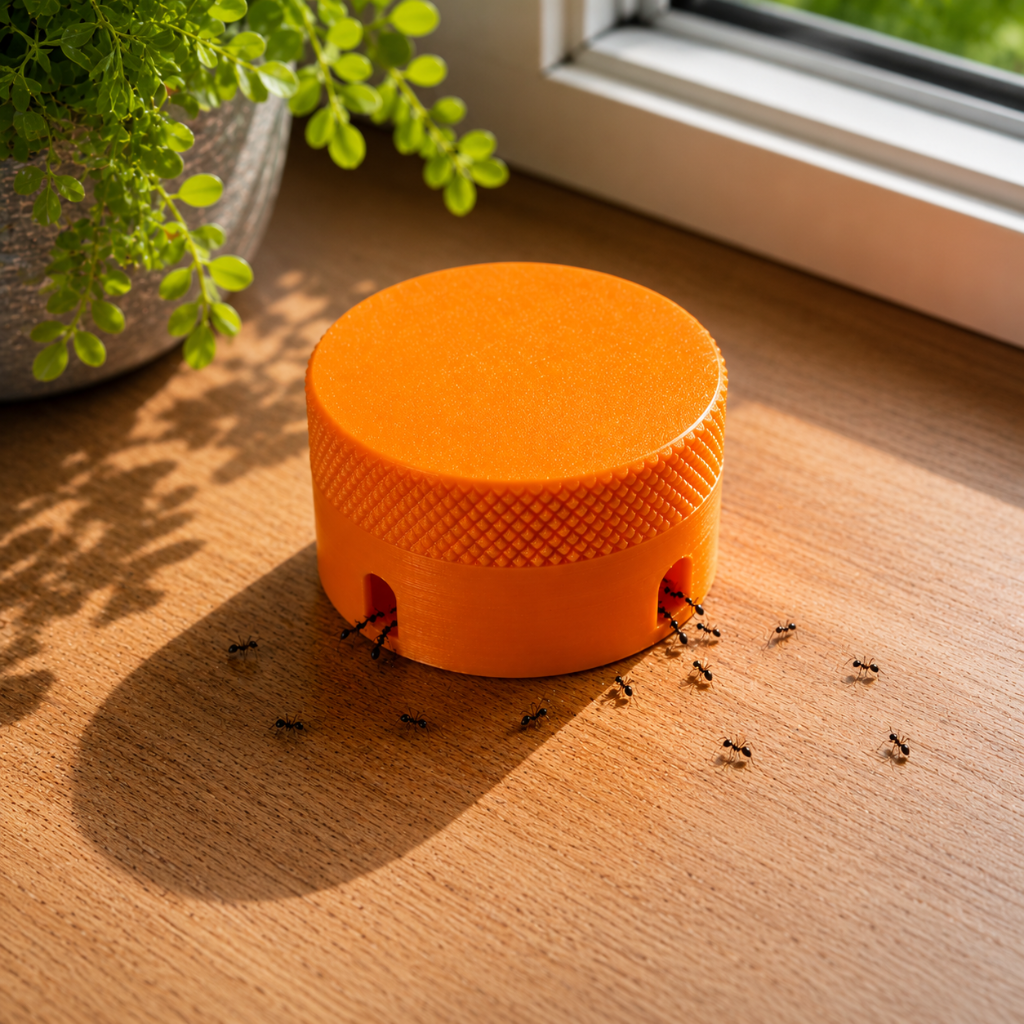
Refillable, UV-stabilised PETG ant bait station for indoors and out. Add your own ant poison, reuse for years.
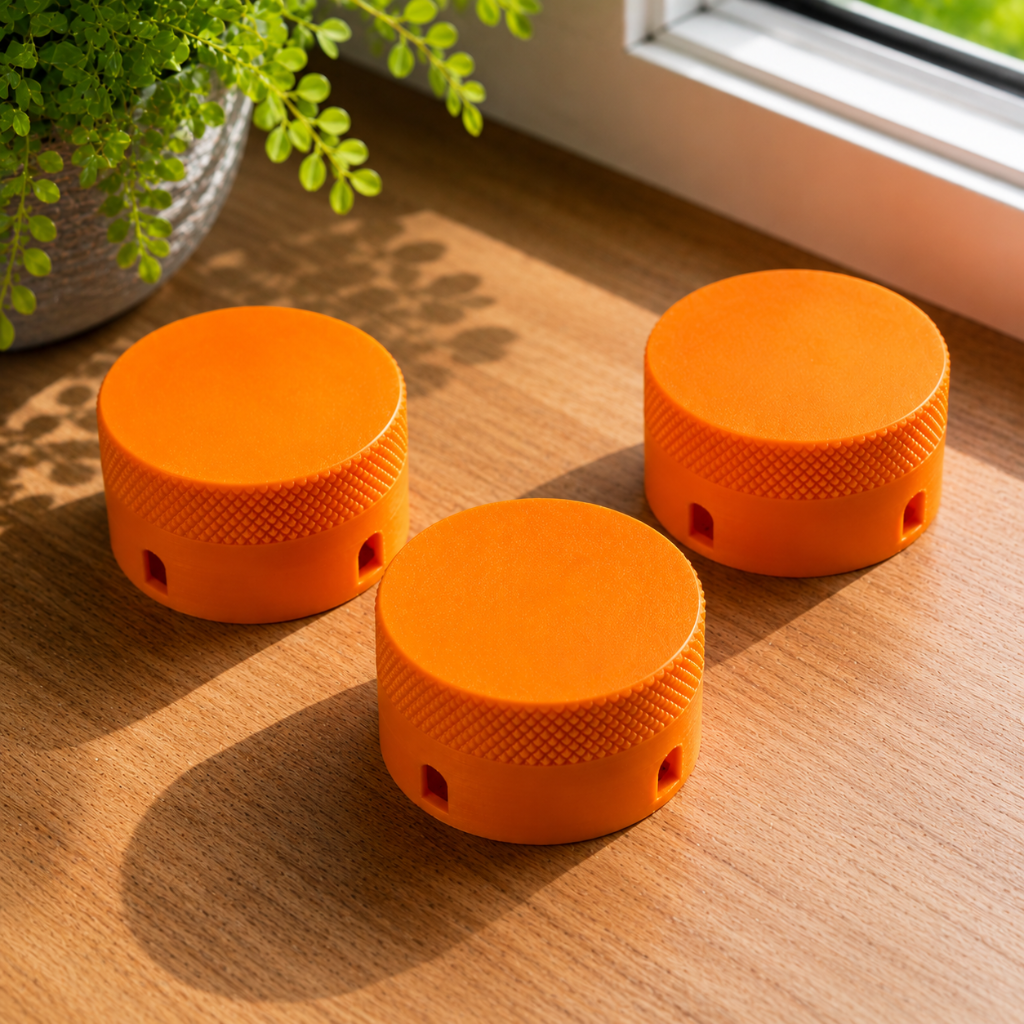
Three refillable, UV-stabilised PETG ant bait stations with 10% off — cover the kitchen, the patio and the garden at once.
Trap smarter with GotchaPest
UV-tough, NZ-made traps paired with the app and Buzzy — the first ever AI Trap Buddy.