German & Common Wasps in New Zealand: The Complete Guide
German and common wasps are New Zealand's most aggressive wasps — huge enclosed nests, repeated stings, and a late-summer sugar frenzy. Here's how to trap, deter and handle them safely.
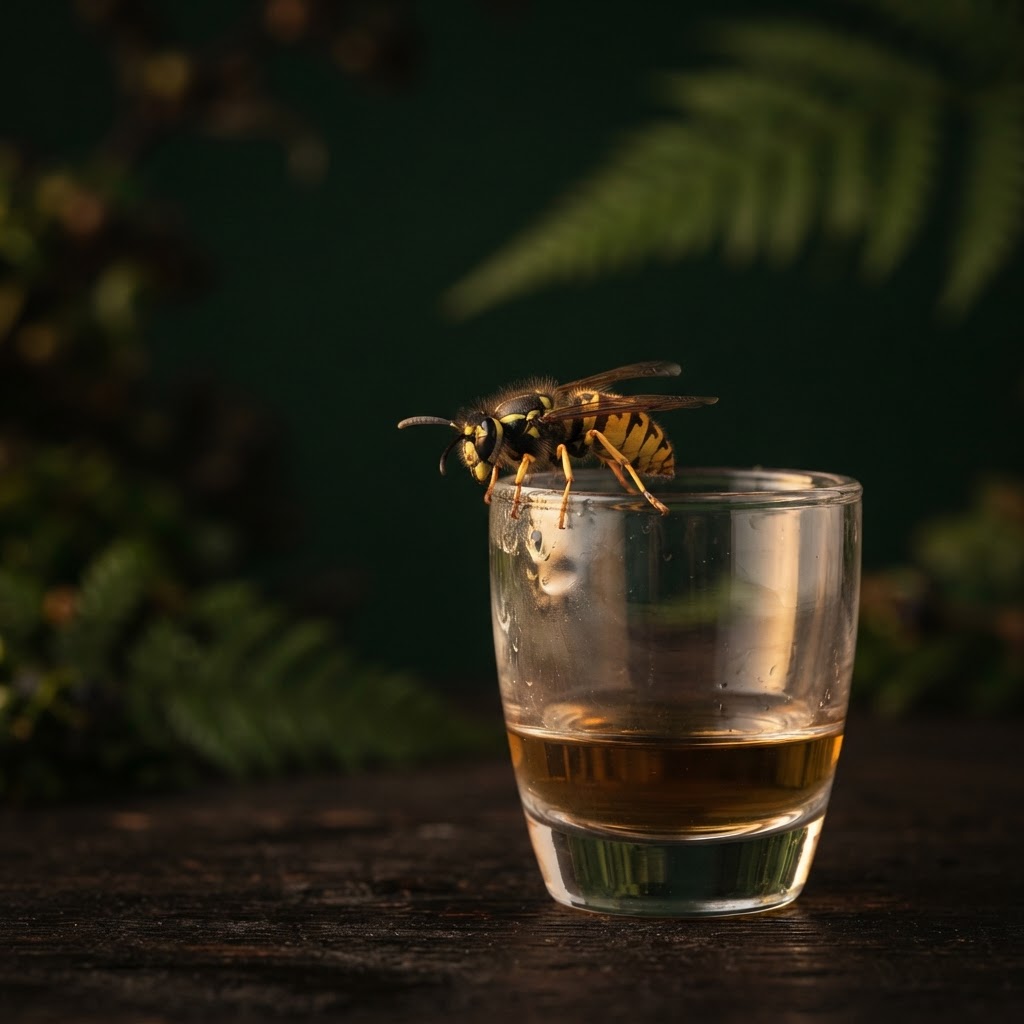
German and common wasps are the two wasps that give "wasp" its fearsome reputation in New Zealand. They build enormous enclosed nests, they defend them aggressively, they can sting repeatedly, and in late summer their foragers turn up at every BBQ, picnic and fruit bowl. They're also one of our worst environmental pests — devastating to native insects and honey bees. Here's how to deal with them properly.
Which wasps are we talking about?
Two species dominate the trouble in NZ: the German wasp (Vespula germanica) and the common wasp (Vespula vulgaris). They look almost identical — black-and-yellow, stocky bodies with the classic bold stripes — and they behave similarly. Both build large, enclosed, paper-envelope nests, usually underground or in cavities (wall voids, roof spaces, hollow trees). A single nest can hold thousands of wasps by late summer.
They're introduced, not native, and in NZ beech forests — particularly South Island honeydew beech — they reach densities that make them an ecological disaster, outcompeting native birds for insects and honeydew.
How to identify German and common wasps
- Body: stocky, ~12–17mm, bold black-and-yellow stripes, fewest on the abdomen vs paper wasps.
- Face: black anchor/diamond marking on the face (common) or three black dots (German) — hard to see in flight but clear up close.
- Flight: fast, direct, purposeful — a chunky yellow dart, not a slow glider.
- Nest: enclosed grey paper ball, often in the ground, a bank, a wall cavity or roof. You may only see wasps streaming in and out of a single hole.
The wasp season in New Zealand
Queens emerge in spring, start a new nest, and the colony grows through summer. By late summer and autumn — February to May — the nests are at peak population and the foragers switch from protein (to feed larvae) to sugar (for their own energy). That's why your beer, soft drink and fruit become irresistible to them exactly when you're trying to enjoy the outdoors. The first frosts kill off the workers; only mated queens survive winter.
How to reduce wasps in your garden
1. Trap foraging wasps early
The most effective backyard tool is a sweet-bait wasp trap deployed from late spring. Catching workers (and especially queens in spring) before the colony peaks keeps numbers down all season. Our GotchaPest wasp traps use a fermenting sugar/protein bait that wasps love and bees ignore — bee-safe by design — and they're reusable, so you can run them year after year.
Place traps away from where you sit and eat (you want to pull wasps away from the deck, not towards it), around 1.5m off the ground, in dappled shade. Refresh the bait every 2–3 weeks.
2. Don't attract them in the first place
- Cover food and drinks outdoors; use lids on glasses and bottles.
- Clear fallen fruit quickly — rotting fruit is a wasp magnet in late summer.
- Keep bins sealed and away from outdoor seating.
- Avoid strong-sweet perfumes and sunscreens near wasp areas.
3. Locating and treating a nest
Never attempt to treat a German or common wasp nest yourself unless you're confident and equipped. Watch where wasps fly at dusk — they'll stream back to a single entry point. Mark it, stay back, and call a professional. A disturbed nest is genuinely dangerous; multiple stings can be a medical emergency even without allergy. If you must act yourself, treat at night with a long-reach insecticide dust or foam labeled for wasps, wear full protective clothing, and have a clear exit.
What to do if you're stung
- Move away from the area calmly — wasps release an alarm pheromone that calls others.
- Wash the sting site with soap and water; a cold pack reduces swelling.
- Antihistamines and paracetamol help with pain and itch.
- Watch for allergic reaction: swelling away from the sting site, breathing difficulty, dizziness — call 111 immediately.
Why trapping matters for the whole neighbourhood
Every queen you catch in spring is a nest that doesn't get built — potentially thousands of wasps not produced. Coordinated trapping across a street or a rural community makes a measurable difference. Log what you're seeing on the GotchaPest Pest Tracker so neighbours can see when wasp activity is spiking and get traps out early.
Get traps out before the swarm
Reusable, bee-safe, NZ-made wasp traps — start in spring, stay ahead all summer.
Shop wasp traps Track wasp activity
Not sure which pest you're dealing with?
Snap a photo and — our NZ-made AI pest assistant will identify it from our verified species database and recommend the right trap. Free, honest, and grounded in real Kiwi catch data.
GotchaPest Team
NZ-made pest control, designed in Aotearoa for Kiwi conditions. Our traps are UV-tough, reusable and bee-safe — paired with the world's first AI Trap Buddy and the GotchaPest community pest tracker. Available at Mitre 10, Kings Plant Barn and right here online.
Trap smarter with GotchaPest
UV-tough, NZ-made traps paired with the app and Buzzy — the first ever AI Trap Buddy.