Pantry Pests NZ: Get Rid of Bugs in Your Kitchen
A chemical-free, four-step kitchen audit for New Zealand homes — vinegar flies, ants and house flies, stopped at the source.
Few things ruin a Kiwi kitchen faster than a cloud of tiny flies above the fruit bowl, or a trail of ants marching across the bench into the cereal. The good news is that almost every pantry pest in New Zealand can be stopped with the same simple approach — find and remove the source, clean the area, then protect it with a reusable, chemical-free trap. No sprays, no pellets, nothing toxic near your food.
Know your pantry pests
Different bugs need different handling. Here are the pests you will meet most often in a New Zealand pantry — slide to see them all, and the right trap for each.

Vinegar flies
The tiny red-eyed flies Kiwis call 'fruit flies'. They swarm ripe fruit, juice, wine and beer, and a single female lays up to 400 eggs — so a few on Monday can be dozens by the weekend.
Vinegar fly guide Fruit fly traps
Ants in the pantry
Argentine and white-footed house ants trail along skirting and bench edges to sugar, honey and cereal. Killing the visible trail rarely finishes the job — the colony is tucked away in a wall or under a pot plant.
Argentine ant guide Ant bait stations
House & blow flies
The bigger, buzzier flies on the bin, compost and food waste. They walk between waste and your food, spreading bacteria — a real food-safety risk, not just a nuisance.
House fly guide Reusable fly traps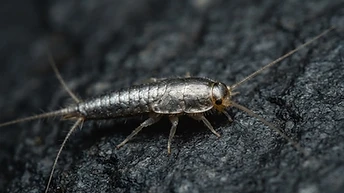
Silverfish in the pantry
Silvery, teardrop-shaped insects that chew through flour, cereal, pasta, cardboard boxes and paper packaging. They love damp, dark cupboards — dry the area and trap the stragglers.
Silverfish guide Reusable silverfish trapThe four-step kitchen audit
Run this in order. Skipping straight to a trap without removing the source is exactly why infestations come back a week later.
1. Identify the source
Find the breeding source before you do anything else. For vinegar flies it is overripe fruit, a sticky bin or a dirty drain. For ants it is the entry point and the food they have found. For house flies it is the bin, compost or a spill behind an appliance.
2. Remove it
Bin anything infested or overripe, empty the kitchen bin, and pick up pet food. For ants, wipe the trail with soapy water to erase the scent path. Remove what they breed in and the adults stop appearing within days.
3. Clean the area
Wipe shelves with hot soapy water, scrub the bin and rinse recycling, and for vinegar flies pour boiling water down the drain daily for a week. Clean surfaces leave nothing for the next generation to find.
4. Protect & trap
Store everything sweet or dry in airtight containers, hang a reusable GotchaPest trap near the fruit bowl and bin, and seal gaps around windows and skirting where ants enter. The trap catches the adults that escaped the clean-out — chemical-free and refillable from the pantry.
Protect & trap
Once the source is gone, a reusable GotchaPest fly trap near the bin and a fruit fly trap by the bowl catch the adults that escaped the clean-out — chemical-free, UV-tough for the New Zealand sun, and refilled with everyday pantry bait like apple cider vinegar or a sugar-water mix. Pair them with sealed containers and a wiped ant trail and your pantry stays clear all season.
Pantry pest FAQs
Trap your pantry — chemical-free
NZ-made, UV-tough and refilled from the pantry. Shop reusable traps and start tracking pest activity in your neighbourhood today.