Best Bait for Wasp Traps in New Zealand
Protein in spring, sugar in summer — seasonal bait recipes that catch wasps without harming bees.
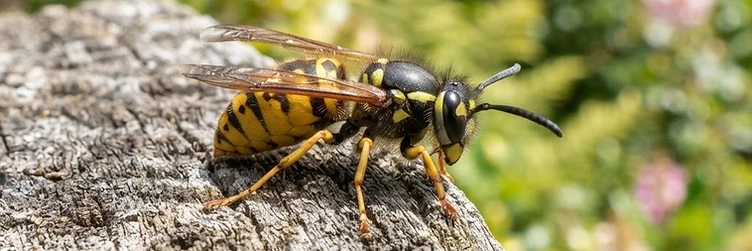
The most common reason a wasp trap sits empty is the wrong bait at the wrong time. Wasps change what they forage for through the season — protein in spring, sugar in summer and autumn — and matching the bait to the colony's needs is the difference between a trap that fills and one that does not. Here is the seasonal strategy, using simple pantry ingredients that are safe around bees. For wasp identification, see our wasp species guide.
Spring (September–November): protein bait
In spring, the queen has laid her first brood and the colony is growing. The workers are out collecting protein — meat and fish — to feed the larvae. This is when a small piece of raw meat, fish or chicken skin in the trap is extremely effective. A scrap the size of a 50-cent piece is plenty — change it every 3–4 days in warm weather before it dries out.
Spring is also the best time to start trapping. Every worker you catch in spring is one that would have spent the summer feeding a growing colony — so early trapping has a multiplier effect on the total wasp population later in the season.
Summer (December–February): sugar bait
By midsummer, the colony has shifted from protein to carbohydrates. The workers are now foraging for sugar — nectar, fruit, and your BBQ. The most effective summer bait is a sugar-water mix (1 part sugar to 4 parts water, dissolved) with a drop of dish soap to break the surface tension. A little beer or leftover wine also works — the fermentation and alcohol draw wasps in.
Fill the wasp trap about a quarter full and hang it in a tree or on a fence post a few metres from the seating area, in the sun for the best scent throw. Top up every week or two in hot weather. See our bee-safe wasp trap for the right trap for this bait.
Autumn (March–May): sugar bait, peak activity
Autumn is peak wasp season in New Zealand — the colonies are at their largest and the workers are desperate for sugar as nectar becomes scarce. This is when wasps are most aggressive around food and drinks, and it is when traps catch the most. Keep the sugar-water bait going through autumn, and consider running two or three traps if you have a serious problem.
The colony dies off in late autumn — only mated queens survive winter — so trapping tapers off as the weather cools. See our wasp season guide for the full seasonal calendar.
Bee-safe baiting
The biggest concern with wasp traps is accidentally catching bees. A GotchaPest bee-safe trap is designed to prevent this — the entrance configuration and bait type target wasps specifically, and bees are not attracted to the same fermenting protein and sugar concentrations. To further reduce any risk:
- Place traps away from beehives and flowering plants.
- Never use honey as bait — it attracts bees directly.
- Use the recommended bait concentrations — too-sweet mixtures can attract bees.
If you keep bees, see our wasp control around beehives guide for hive-specific trapping strategies.
Quick reference
- Spring: raw meat or fish — protein for the growing colony.
- Summer: sugar-water or beer — carbohydrates for foraging workers.
- Autumn: sugar-water — peak activity, keep traps running.
- Winter: no trapping needed — colonies have died off.
To track wasp activity in your area, check the Pest Tracker, and for the full wasp control method, see our how to get rid of wasps guide. For the full seasonal calendar, see our wasp season guide.
Keep reading

Wasp trap bait — FAQs
Bee-safe wasp traps
Reusable, NZ-made and designed to catch wasps without harming bees.