Wasp Control Around Beehives
Bee-safe perimeter trapping that protects your hives without putting pollinators at risk.
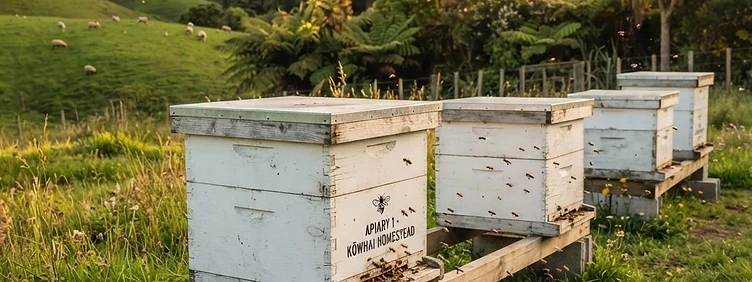
Wasps are one of the most serious threats to New Zealand beehives. German and common wasps raid hives for honey and larvae, killing bees in the process — and in late summer and autumn, when wasp colonies are at their largest and natural food is scarce, a strong wasp colony can overwhelm and destroy a weak hive. The good news is that bee-safe perimeter trapping is an effective, chemical-free way to protect your apiary without putting your bees at risk.
Understanding the threat
German wasps (Vespula germanica) and common wasps (Vespula vulgaris) are the main hive-raiding species in New Zealand. A single wasp nest can hold thousands of workers, and each worker can kill dozens of bees in a raid. The pressure is highest from January to April, when wasp colonies peak and nectar becomes scarce — wasps turn to hives as a rich source of sugar and protein.
In some parts of the South Island — particularly the Nelson-Tasman and West Coast regions — wasp densities are among the highest in the world, making hive protection essential for any beekeeper in these areas.
The perimeter trapping strategy
The key principle is to intercept wasps before they reach the hives. Place bee-safe wasp traps in a ring around the apiary, 10–20 metres from the hives — not on the hives themselves. This creates a perimeter that wasps encounter before they reach the bees, drawing them away from the hives and into the traps.
- Distance: 10–20 metres from the hives — close enough to intercept, far enough to not disturb the bees.
- Placement: in trees or on fence posts around the apiary, about 1.5–2 metres off the ground.
- Spacing: for a small apiary (1–5 hives), 3–4 traps in a ring. For a larger apiary, add a trap for every 2–3 additional hives.
- Position: in the sun for the best scent throw, and upwind of the hives if the prevailing wind is consistent.
Seasonal baiting for beekeepers
Match the bait to the wasp colony's needs through the season — see our best bait for wasp traps guide for the full detail:
- Spring (October–November): protein bait — raw meat or fish. The colony is collecting protein for larvae. This is the most important time to trap — every worker caught now is one that would have raided your hives in autumn.
- Summer (December–February): sugar bait — sugar-water or a little beer. The colony has shifted to carbohydrate foraging.
- Autumn (March–May): keep sugar bait going — this is peak raiding season. Consider adding more traps if pressure is high.
Critical: never use honey as bait
Never use honey as wasp trap bait near an apiary. It attracts bees directly, can spread bee diseases between hives, and defeats the purpose of a bee-safe trap. Stick to sugar-water, beer, or protein baits — these attract wasps without drawing bees.
Why bee-safe traps matter
A trap that catches bees is worse than no trap at all — it kills the pollinators you are trying to protect. GotchaPest bee-safe traps are designed with an entrance configuration and bait type that targets wasps specifically. Bees are not attracted to the same fermenting protein and sugar concentrations, and the trap entrance is sized to exclude them. Combined with correct placement (away from hives and flowering plants), the risk to bees is minimal.
For more beekeeper resources, see our beekeepers hub. For the seasonal wasp calendar, see our wasp season guide. To track wasp pressure in your area, check the Pest Tracker.
Keep reading

Wasp control around beehives — FAQs
Bee-safe wasp protection
Designed to catch wasps without harming bees — reusable and chemical-free.