
When Is Wasp Season in New Zealand?
A seasonal calendar for wasp activity — when to start trapping, when they peak, and when they die off.
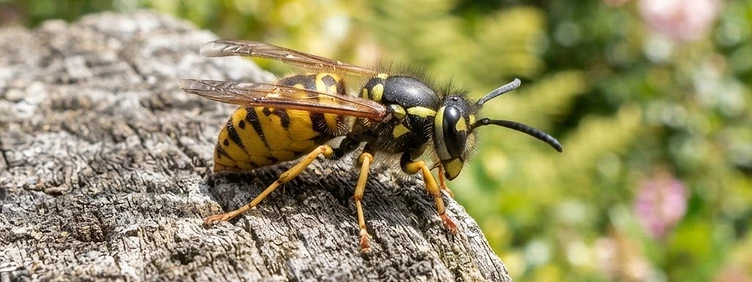
Knowing when wasp season starts and peaks in New Zealand is the key to effective control. Wasps are not a year-round problem — they follow a clear seasonal cycle, and trapping at the right time makes a much bigger difference than trapping more. Here is the seasonal calendar for the main problem wasps in NZ: German wasps, common wasps and paper wasps.
Spring (September–November): queens emerge
Wasp season begins in spring when mated queens emerge from hibernation. Each queen finds a nest site — underground for German and common wasps, under eaves for paper wasps — and starts building the first cells and laying the first eggs. By November, the first workers have hatched and the colony begins to grow.
This is the best time to start trapping. The workers are out collecting protein to feed the larvae, so a trap baited with a small piece of meat or fish catches effectively. Every worker caught in spring is one that would have spent the summer feeding a growing colony — so early trapping has a multiplier effect on the total population later in the season. See our best bait for wasp traps guide for the seasonal baiting strategy.
Summer (December–February): colony growth and peak foraging
By midsummer, the colony is in full production. The queen lays continuously, workers forage from dawn to dusk, and the colony can grow to thousands of individuals. The workers shift from protein to sugar foraging — they are now after nectar, fruit and your BBQ — so switch the trap bait to a sugar-water mix or a little beer.
This is when wasps become most noticeable around food and drinks, and when people start getting stung. Keep bee-safe traps running near the garden and patio, and cover food and drinks outdoors. Fallen fruit under trees is a major attractant — clear it regularly.
Autumn (March–May): peak activity and die-off
Autumn is peak wasp season in New Zealand. The colonies are at their largest — a single German wasp nest can hold 5,000+ workers — and the workers are desperate for sugar as nectar becomes scarce. This is when wasps are most aggressive around food, when traps catch the most, and when most stings occur.
As the weather cools in late autumn, the colony begins to die off. The old queen stops laying, the workers and males die, and only newly mated queens leave the nest to find a sheltered spot to hibernate. These queens are the start of next year's colonies — they do not return to the old nest.
Winter (June–August): hibernation
Wasp activity effectively stops in winter. The colonies are dead, and only mated queens are alive — hibernating in sheltered spots like wood piles, roof spaces and under bark. There is no trapping to do in winter. Use this time to seal gaps around the house where queens might hibernate, and to plan your trapping strategy for spring.
Regional variation
The timing shifts slightly by region. In the upper North Island, the season may start earlier (September) and finish later (May–June) because of the warmer climate. In the South Island — particularly the Nelson-Tasman and West Coast regions — wasp densities can be among the highest in the world due to honeydew in beech forests, but the season may start slightly later and finish earlier due to colder winters.
For the full wasp control method — identifying wasps, trapping foraging workers, and dealing with nests safely — see our how to get rid of wasps guide. To see live wasp activity in your area, check the Pest Tracker. For the full species breakdown, see our NZ wasp species guide.
Keep reading

Wasp season — FAQs
Be ready for wasp season
Start trapping early, keep traps running through autumn — bee-safe and chemical-free.