Fruit Flies vs Fungus Gnats
They look similar but need completely different control methods. Here is how to tell them apart — and fix each correctly.
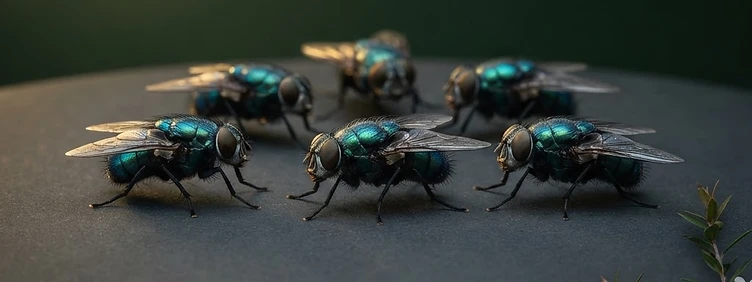
Tiny flies in the house are one of the most common pest questions we get — and the first step is always the same: work out which fly it is. Fruit flies (vinegar flies) and fungus gnats look similar at a glance, but they live in completely different places, breed in completely different things, and need completely different control methods. Using the wrong trap is the most common reason people struggle to get rid of them.
How to tell them apart
The quickest way is to look at where they are flying. If the tiny flies are above the fruit bowl, the kitchen bench or near the bin, they are almost certainly fruit flies. If they are around your indoor plants, crawling on the potting soil or near the windows above your pots, they are fungus gnats.
In appearance: fruit flies are about 3 mm, tan to brown in colour, with distinctive red eyes. Fungus gnats are smaller — about 2 mm — black, with long, delicate legs and a mosquito-like appearance. They look more like tiny black mosquitoes than flies.
| Feature | Fruit fly (vinegar fly) | Fungus gnat |
|---|---|---|
| Size | ~3 mm, tan body | ~2 mm, black, mosquito-like |
| Eyes | Red | Black |
| Where they fly | Fruit bowl, kitchen bench, bin | Around house plants, damp soil |
| What they breed in | Fermenting fruit, juice, drains | Overwatered potting mix |
| Attracted to | Apple cider vinegar, wine, overripe fruit | Damp soil, yellow sticky traps |
| Effective trap | Fruit fly trap with ACV bait | Yellow sticky traps in pots |
| Root cause fix | Move fruit to fridge, clean drains | Dry out potting mix between waterings |
How to get rid of fruit flies
Fruit flies breed in fermenting material — overripe fruit, juice spills, wine residue and even dirty drains. The fix is to remove the breeding source and trap the adults:
- Move overripe fruit to the fridge and clear fruit bowls of anything past its best.
- Empty the kitchen bin and wipe up any juice or wine spills.
- Pour boiling water down the drain daily for a week — drains are a hidden breeding site.
- Place a small fruit fly trap baited with apple cider vinegar and a drop of dish soap next to the fruit bowl. It starts catching within hours.
How to get rid of fungus gnats
Fungus gnats breed in damp potting mix — the larvae feed on fungi and organic matter in the soil. A fruit fly trap will not help because fungus gnats are not attracted to vinegar or fruit baits. The fix is to dry out the soil:
- Water less often — let the top 2–3 cm of potting mix dry out between waterings. The larvae cannot survive in dry soil.
- Water from the bottom — pour into a saucer so the roots take up water from below while the surface stays dry.
- Yellow sticky traps — place these in the pots to catch the flying adults and break the breeding cycle.
- Check new plants — fungus gnats often arrive in bags of potting mix or on newly purchased house plants. Quarantine new plants for a week if you can.
For the full species breakdown on fungus gnats, see our fungus gnat guide. For the full fruit fly control method, see our fruit fly guide. To see fruit fly activity in your area, check the Pest Tracker.
Keep reading
Recommended traps


Fruit flies vs fungus gnats — FAQs
The right trap for the right fly
Fruit fly traps for the fruit bowl — and tips for fungus gnat control that actually works.