Best Bait for Fly Traps in New Zealand
Match the bait to the fly — simple pantry recipes that work, with no chemicals near your food.
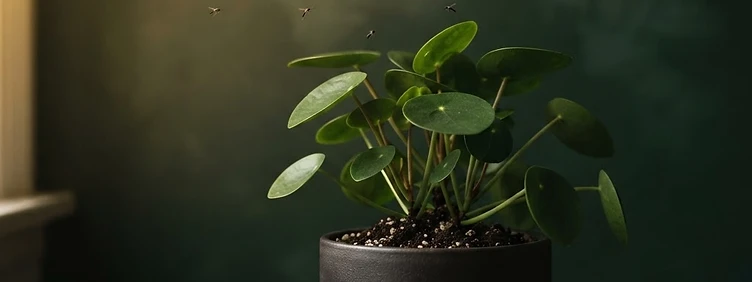
The secret to an effective fly trap is simple: match the bait to the fly. House flies, blowflies and fruit flies are drawn to completely different things, and using the wrong bait is the most common reason a trap sits empty. Here is what works in New Zealand, using everyday pantry ingredients — no chemicals, no sprays, nothing toxic near your food.
For house flies: sugar-water or yeast
House flies are drawn to sweet, fermenting smells. The simplest effective bait is a sugar-water mix — about 1 part sugar to 4 parts water, dissolved and poured into the trap. Add a pinch of yeast and the fermentation smell makes it even more attractive. A little beer or leftover wine also works — the alcohol and fermentation draw them in.
Fill the trap about a quarter to a third full, and top up every week or two in hot weather. Place it just outside the kitchen door, upwind, near the bin and compost — see our reusable fly traps for the right trap for this bait.
For blowflies: raw meat or fish
Blowflies are larger, metallic-looking flies drawn to protein — meat, fish and animal waste. A small piece of raw meat, fish or chicken skin in the trap is extremely effective. In hot weather, change it every few days before it smells — a scrap the size of a 50-cent piece is plenty.
Blowflies are the ones that cluster around dead animals and bins, and they are a genuine food-safety risk because they walk between waste and your food. A trap with meat bait placed near the bin or compost intercepts them before they reach the kitchen.
For fruit flies: apple cider vinegar
Fruit flies (vinegar flies) are tiny, red-eyed, and drawn to the smell of fermentation — ripe fruit, juice, wine and vinegar. The gold-standard bait is apple cider vinegar with a drop of dish soap. The vinegar draws them in, and the soap breaks the surface tension so they sink instead of floating. Pour about 2 cm into a small fruit fly trap and place it next to the fruit bowl.
Red wine, overripe banana, or a mix of water and yeast also work for fruit flies. The key is that the bait smells of fermentation — that is what the flies are looking for.
What NOT to use
- Honey: it attracts bees and other pollinators — do not use it in a fly trap.
- Chemical insecticides: unnecessary and they contaminate the trap. Pantry bait works better and is safe around food.
- Oily or greasy foods: they coat the trap and stop it working.
- Plain water: not attractive enough on its own — you need sugar, protein or fermentation.
Tips for better catches
- Place the trap upwind of the area you want to protect — the scent carries on the breeze and draws flies toward the trap, not your food.
- Keep the trap clean — rinse it with warm water when you refresh the bait. A clean trap catches more effectively.
- Start early in the season — have traps out by October in most of NZ, before fly populations peak in midsummer.
- Use the right trap for the right fly — a large outdoor fly trap for house and blow flies, a small indoor fruit fly trap for vinegar flies. See our kitchen fly trap guide for the full comparison.
The right bait, in the right trap, in the right place — that is the whole formula. It costs nothing to run because the bait comes from your pantry, and it is completely chemical-free. For the full approach to fly control, see our how to get rid of flies guide. To see fly activity in your neighbourhood, check the Pest Tracker.
Keep reading
Recommended traps
 NZ MADE
Reusable Fly Trap
Screw-On Bottle Trap — NZ-made, reusable fly control for homes, cafés, farms and food prep areas.
 NZ MADE
Reusable Outdoor Fruit Fly Trap
NZ-made, chemical-free fruit fly control for gardens, orchards and commercial growing.
 NZ MADE
Indoor Reusable Fruit Fly Trap
NZ-made, chemical-free indoor fruit fly catcher using everyday household bait.
Fly trap bait — FAQs
The right trap for the right bait
Reusable, NZ-made and chemical-free — baited with everyday pantry ingredients.