Bush Fly
The persistent outdoor fly that swarms people and stock.
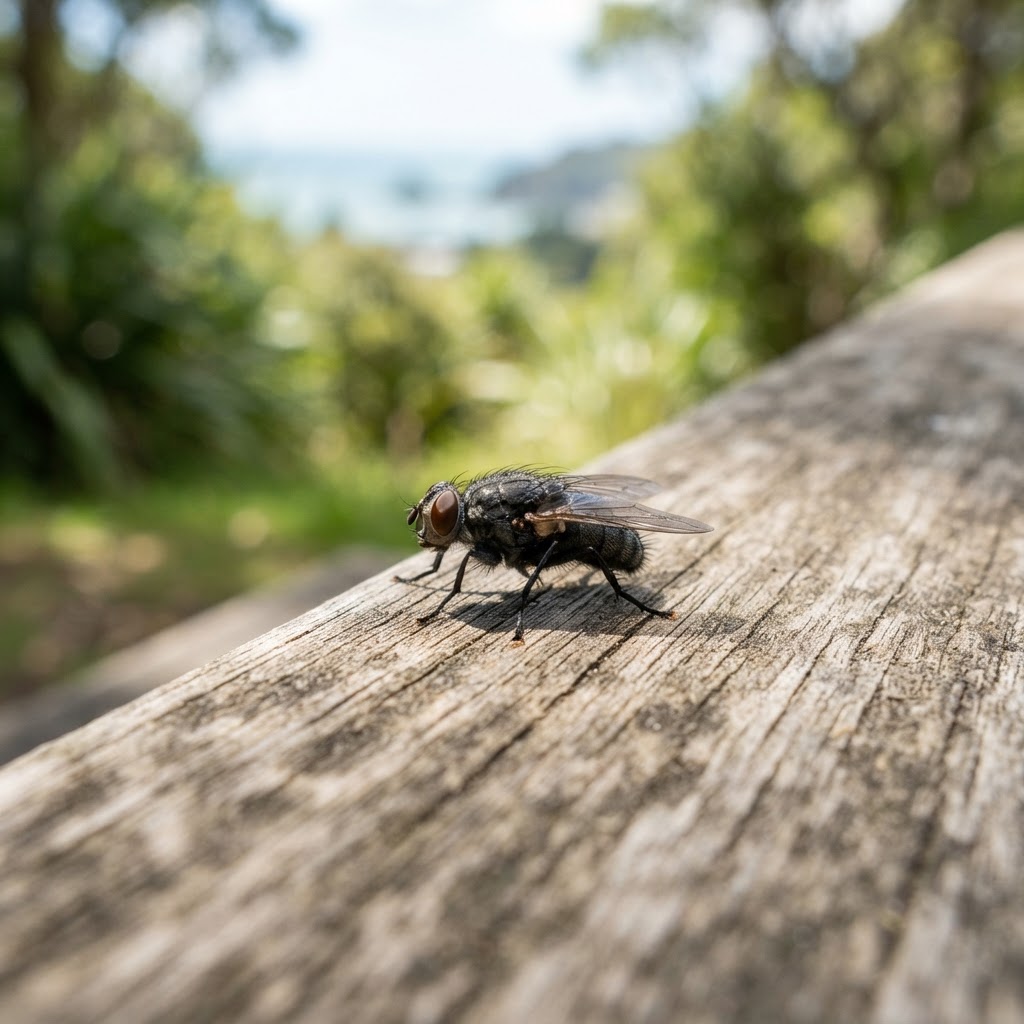
The bush fly is an Australian species that reaches New Zealand, particularly the North Island, especially during warm summers when winds and weather carry it across the Tasman. It is a close relative of the house fly and behaves similarly — but it is far more persistent outdoors, swarming around people, stock and food in the open.
Bush flies are a familiar nuisance at barbecues, on the beach and around farms, drawn to sweat, moisture and food. They are not established as a permanent breeding pest across all of New Zealand the way the house fly is, but summer outbreaks can be intense.
 Ask Buzzy

Screw-On Bottle Trap — NZ-made, reusable fly control for homes, cafés, farms and food prep areas.
How to identify a bush fly
Very similar to the house fly — small, grey with thorax stripes — but slightly darker and smaller, and more inclined to swarm around your face and body outdoors rather than stay on a surface.
- •Adult 4–6 mm, dark grey, similar to a small house fly.
- •Strong tendency to swarm around people, stock and food outdoors.
- •Drawn to sweat, moisture and protein.
- •More common in warm summers and the North Island.
Are bush flies dangerous?
Like the house fly, they can carry bacteria from waste and dung to food and faces. They are not biters, but their persistence around eyes, mouths and food makes them a genuine hygiene nuisance, especially at outdoor gatherings.
Life cycle & fun facts
Bush flies breed in dung, especially cattle and horse dung, and develop fast in warm weather. Their tendency to swarm people outdoors is driven by a search for moisture and salts from sweat.
Fun fact: The bush fly is infamous in Australia for pestering people outdoors — it is the fly Aussies wave away with the famous "Aussie salute". Warm summers can bring outbreaks to New Zealand too.
What bush flies eat
Adults feed on sweat, tears, saliva, wound fluids and the moisture in food and dung. Larvae develop in animal dung. They are drawn to people for the salts and moisture in our sweat.
How to keep bush flies away
Reduce what attracts them and trap outdoors.
Remove the attraction
- ✓Cover food and drinks at outdoor meals.
- ✓Clear pet and stock dung from the yard.
- ✓Wipe faces and keep sweat to a minimum when eating outside.
- ✓Keep bins lidded and clean.
Block them out
- ✓Use screened gazebos or mesh food covers at barbecues.
- ✓Hang a reusable GotchaPest trap upwind of seating and food.
- ✓A fan on the deck helps — flies are weak fliers.
- ✓Wear light-coloured, loose clothing.
Frequently asked questions
Trap smarter with GotchaPest
UV-tough, NZ-made, reusable traps — paired with the app and Buzzy, the world's first AI Trap Buddy.
Other flies in New Zealand
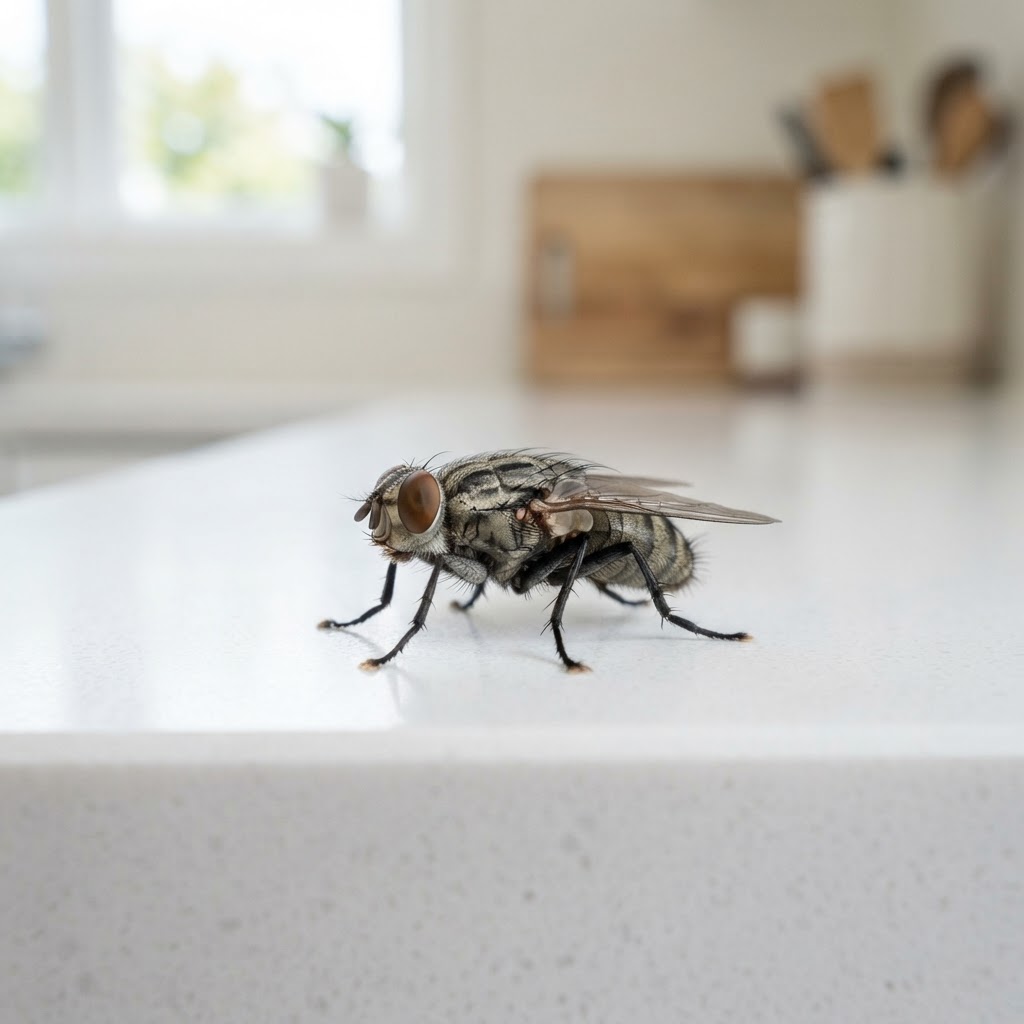
House Fly
Musca domestica
The classic Kiwi kitchen fly — and a carrier of bacteria.
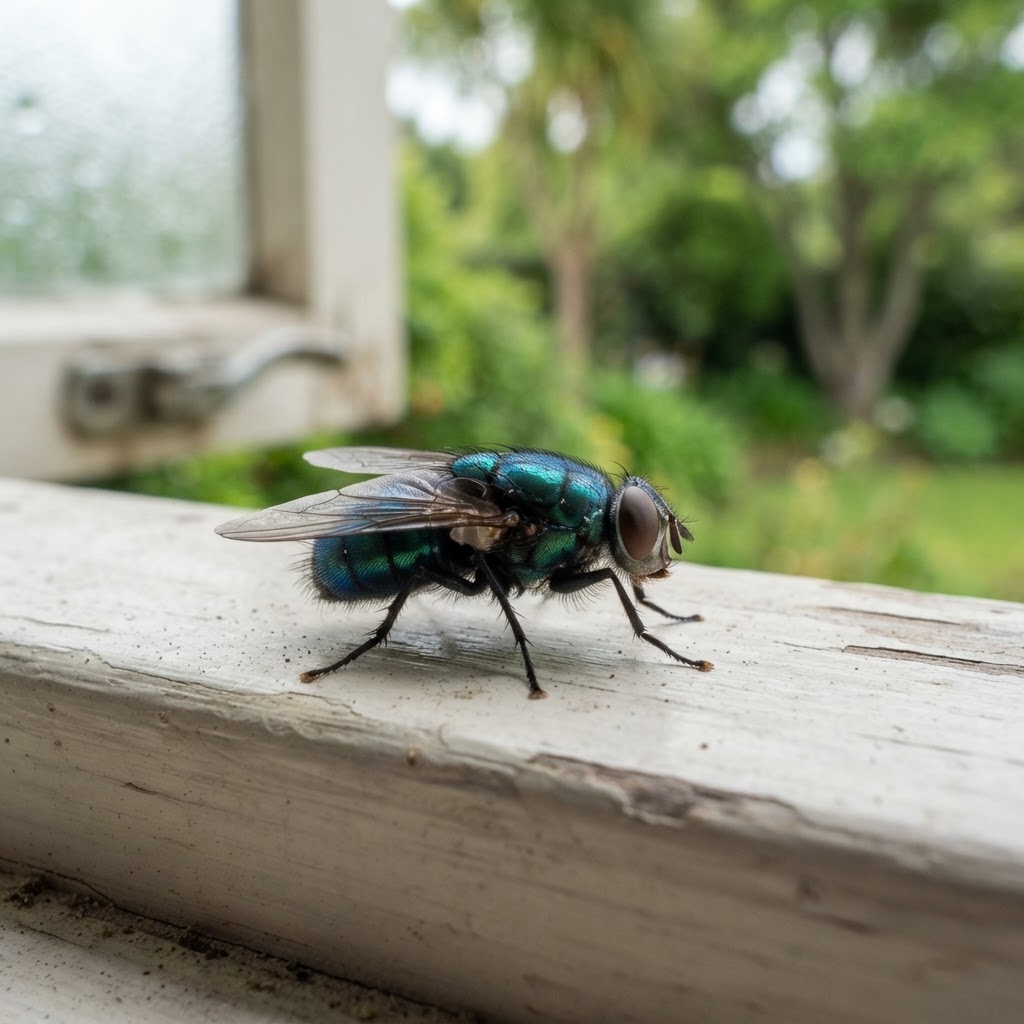
Blow Fly
Family Calliphoridae
The shiny bluebottle that finds the bin — and worse.
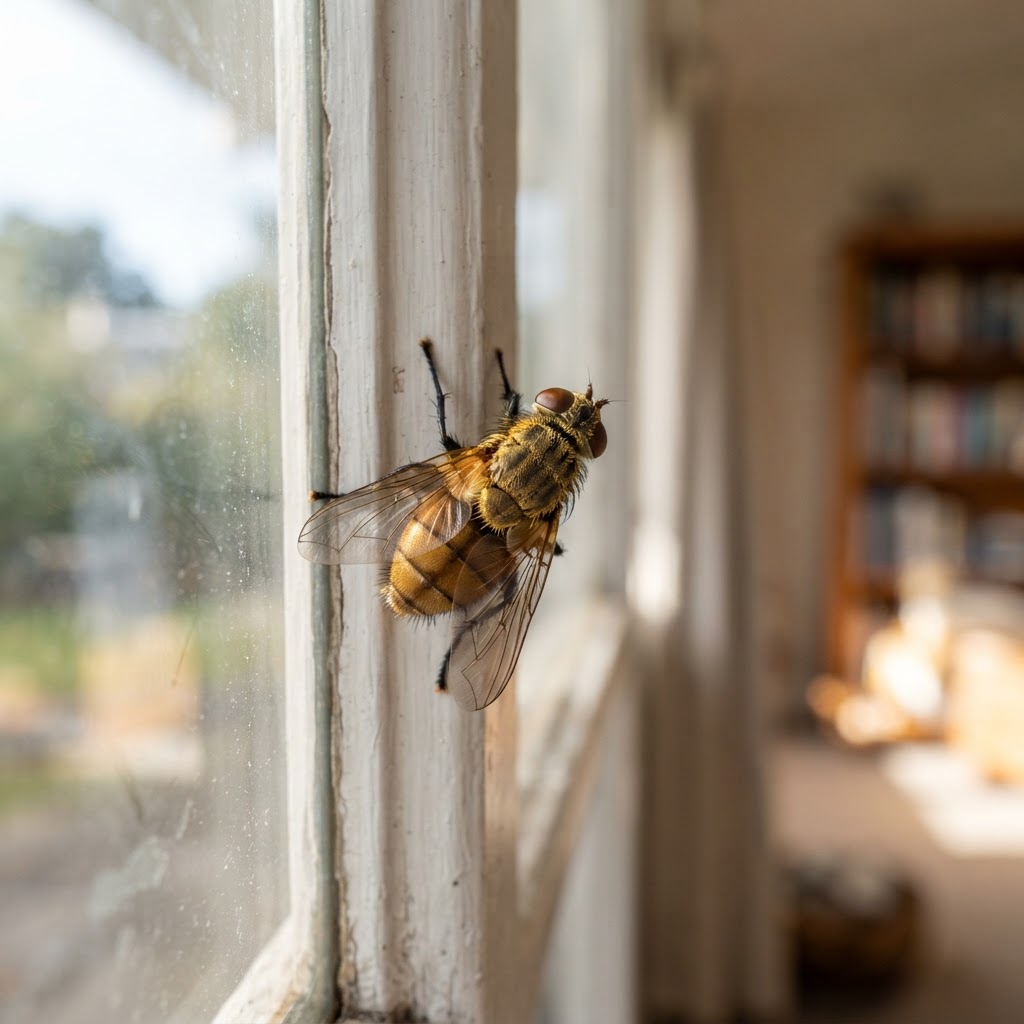
Cluster Fly
Pollenia rudis
Sluggish golden-brown flies that pile up on sunny windows.
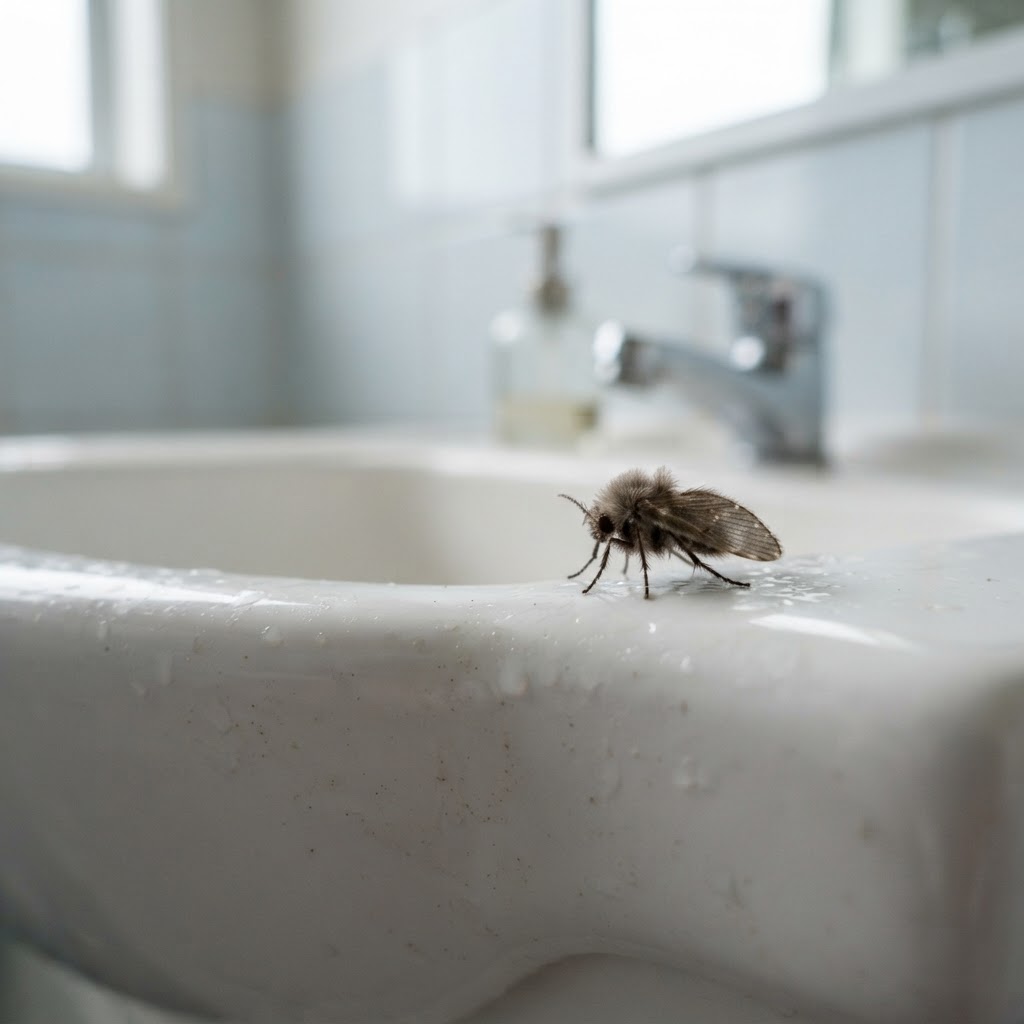
Drain Fly
Family Psychodidae
Tiny moth-like flies that live in your sinks and drains.
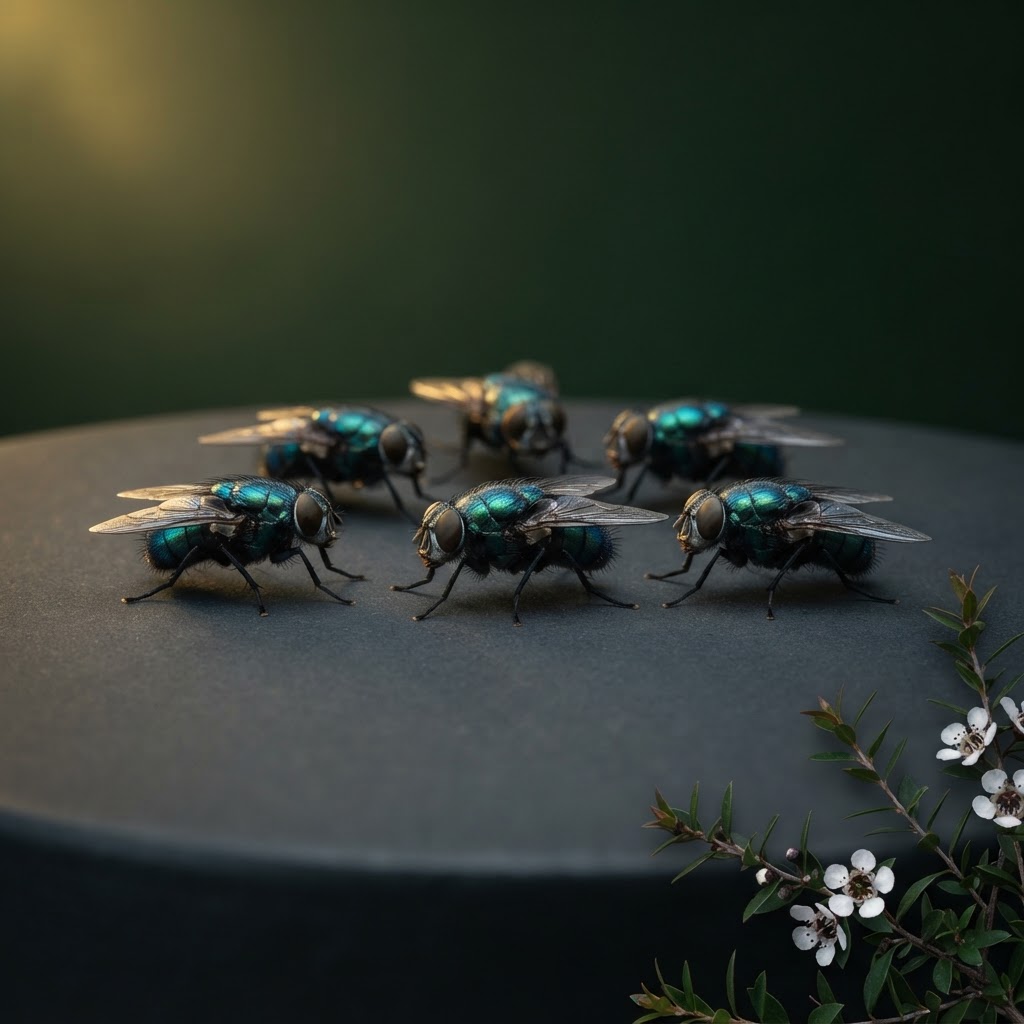
Horse Fly
Family Tabanidae
The big, biting fly that draws blood in a New Zealand summer.
Other pests we solve
Explore more NZ-specific pest guides and the bee-safe, reusable traps behind each one.
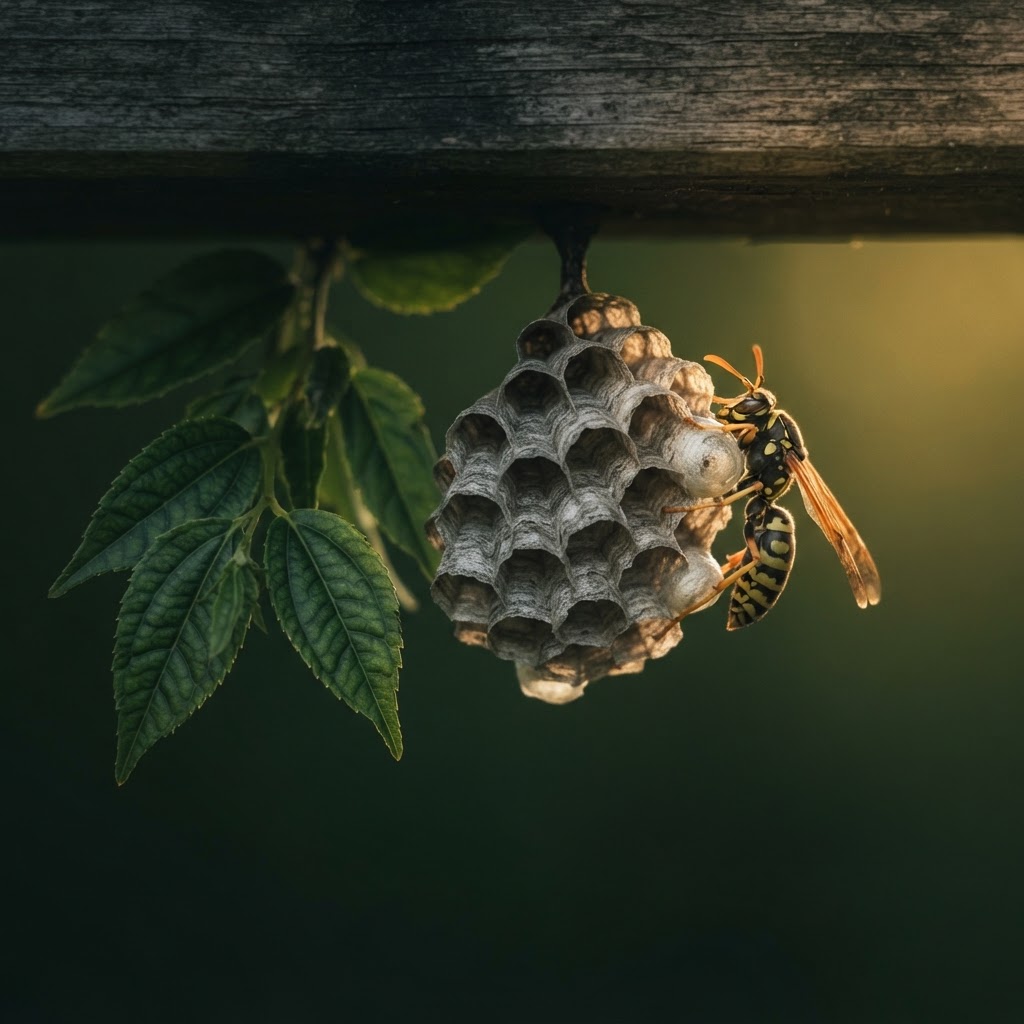
Wasps
Bee-safe wasp traps that lure wasps, not our precious pollinators.
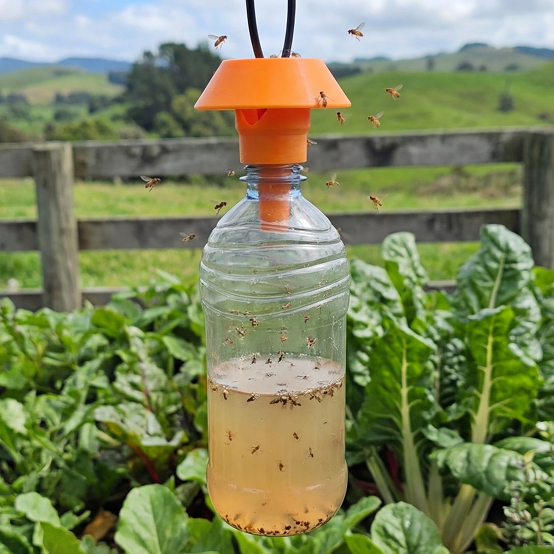
Fruit Flies
Reusable fruit fly traps using everyday pantry bait — no chemicals.
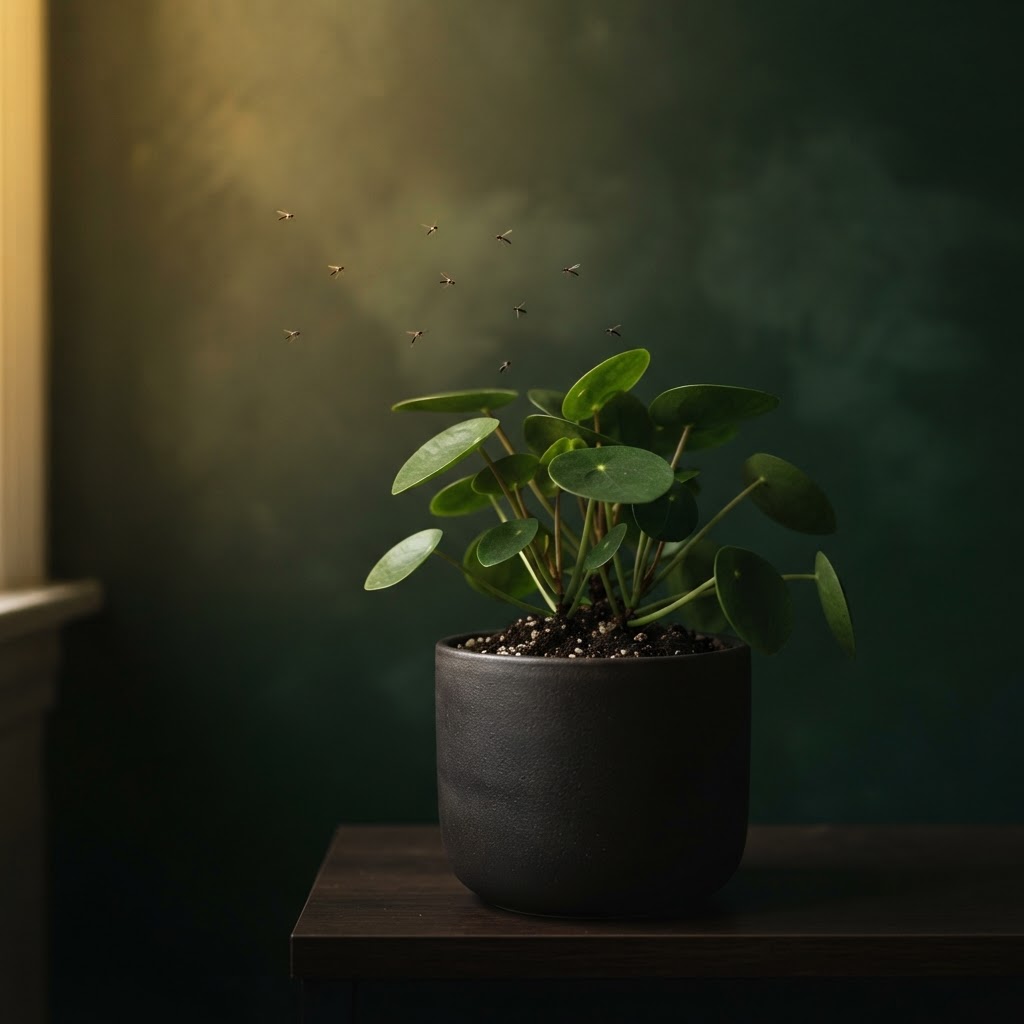
Fungus Gnats
Tiny black flies around your houseplants — beat them for good.
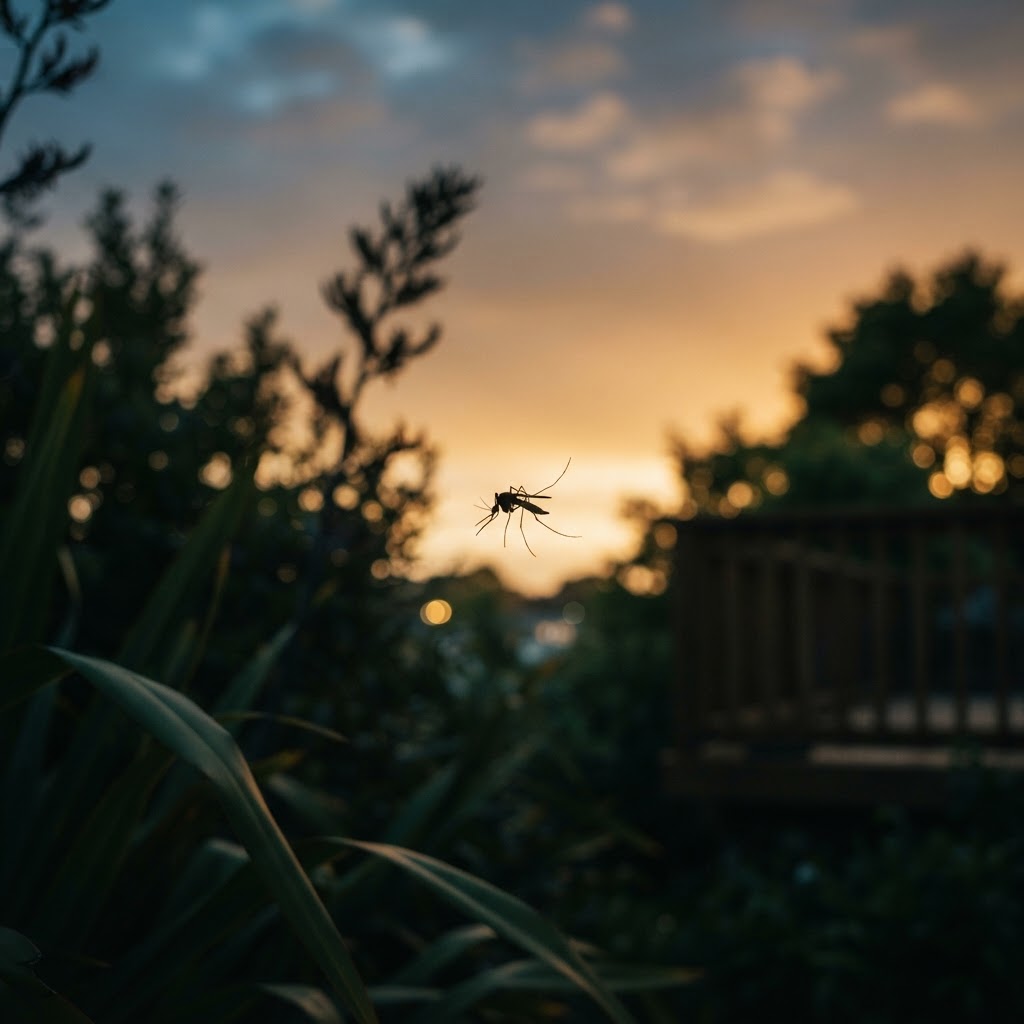
Mosquitoes
Reduce backyard biting with simple, chemical-free traps.
Moths
Pantry and clothes moth traps — stop the flutter, find the source.