Cluster Fly
Sluggish golden-brown flies that pile up on sunny windows.
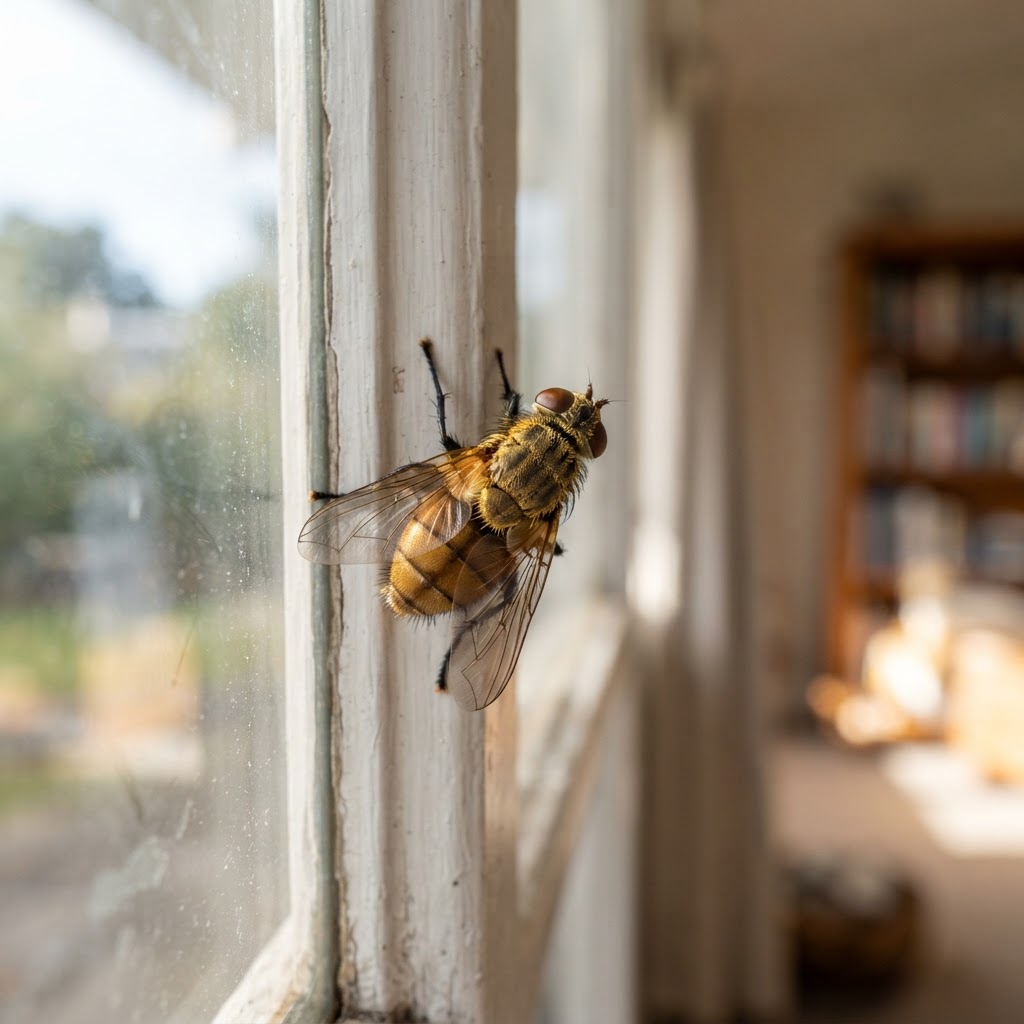
Cluster flies are the sluggish, golden-brown flies that suddenly appear in large numbers on warm, sunny windows in autumn and again in spring. Unlike house flies they do not breed in waste — their larvae are parasites of earthworms in the soil — so an indoor cluster is not a sign of poor hygiene.
They come indoors to hibernate through winter, clustering in roof spaces, wall voids and around windows. On warm winter days they wake up and head for the light, which is when you notice them. They are harmless but persistent, and a reusable trap plus good sealing keeps them manageable.
 Ask Buzzy

Screw-On Bottle Trap — NZ-made, reusable fly control for homes, cafés, farms and food prep areas.
How to identify a cluster fly
Slightly larger and darker than a house fly, with short golden-brown crinkled hairs on the thorax and wings that overlap at rest. They fly slowly and clumsily compared with a house fly.
- •Adult 6–10 mm, dark grey-olive with golden-brown thoracic hairs.
- •Sluggish, clumsy flight — not the darting of a house fly.
- •Wings overlap when at rest.
- •Appears in large clusters on sunny windows in autumn and spring.
Are cluster flies dangerous?
No. Cluster flies do not bite, do not carry disease in the way house flies do, and do not breed in waste. They are a nuisance purely by their numbers and the mess they leave on windowsills.
Life cycle & fun facts
Females lay eggs in soil; the larvae are parasites of earthworms, feeding inside the host before pupating. Development from egg to adult takes roughly a month, and adults then seek sheltered buildings to overwinter.
Fun fact: A cluster fly is a parasite of earthworms — so the presence of lots of cluster flies is actually a sign of a healthy, worm-rich lawn outside.
What cluster flies eat
Adults feed on nectar and plant juices; larvae feed inside living earthworms. Indoors they do not feed — they are simply waiting out the cold.
How to keep cluster flies out
Seal them out before autumn and trap the ones that get in.
Remove the attraction
- ✓Vacuum up clusters on windows rather than squashing them (which stains).
- ✓Empty the vacuum bag after.
- ✓Check and clean window tracks and sill crevices.
Block them out
- ✓Seal cracks and gaps in walls, eaves and around windows before autumn.
- ✓Fit fine mesh over vents and roof spaces.
- ✓Hang a reusable trap near sunny windows where they gather.
- ✓Consider a professional roof-space treatment for severe infestations.
Frequently asked questions
Deep-dive guides on Cluster Fly
Trap smarter with GotchaPest
UV-tough, NZ-made, reusable traps — paired with the app and Buzzy, the world's first AI Trap Buddy.
Other flies in New Zealand
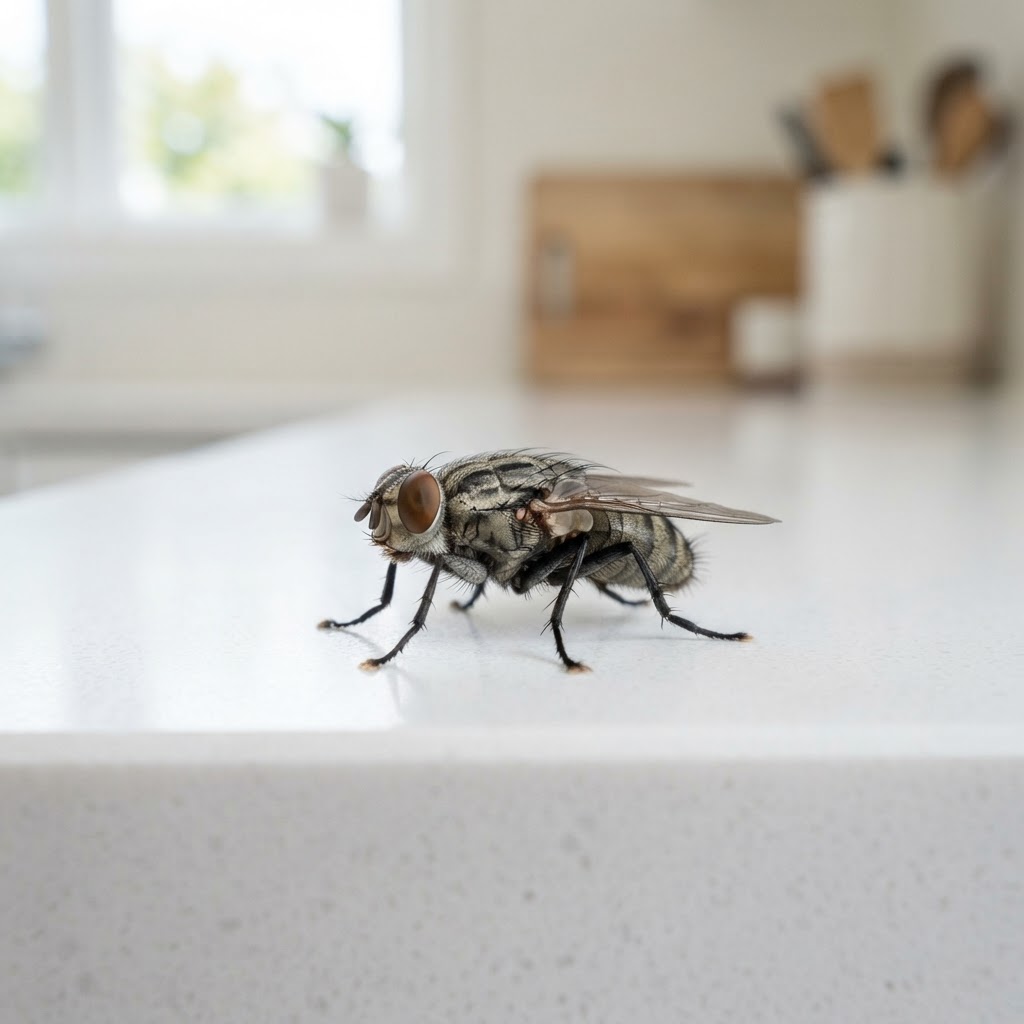
House Fly
Musca domestica
The classic Kiwi kitchen fly — and a carrier of bacteria.
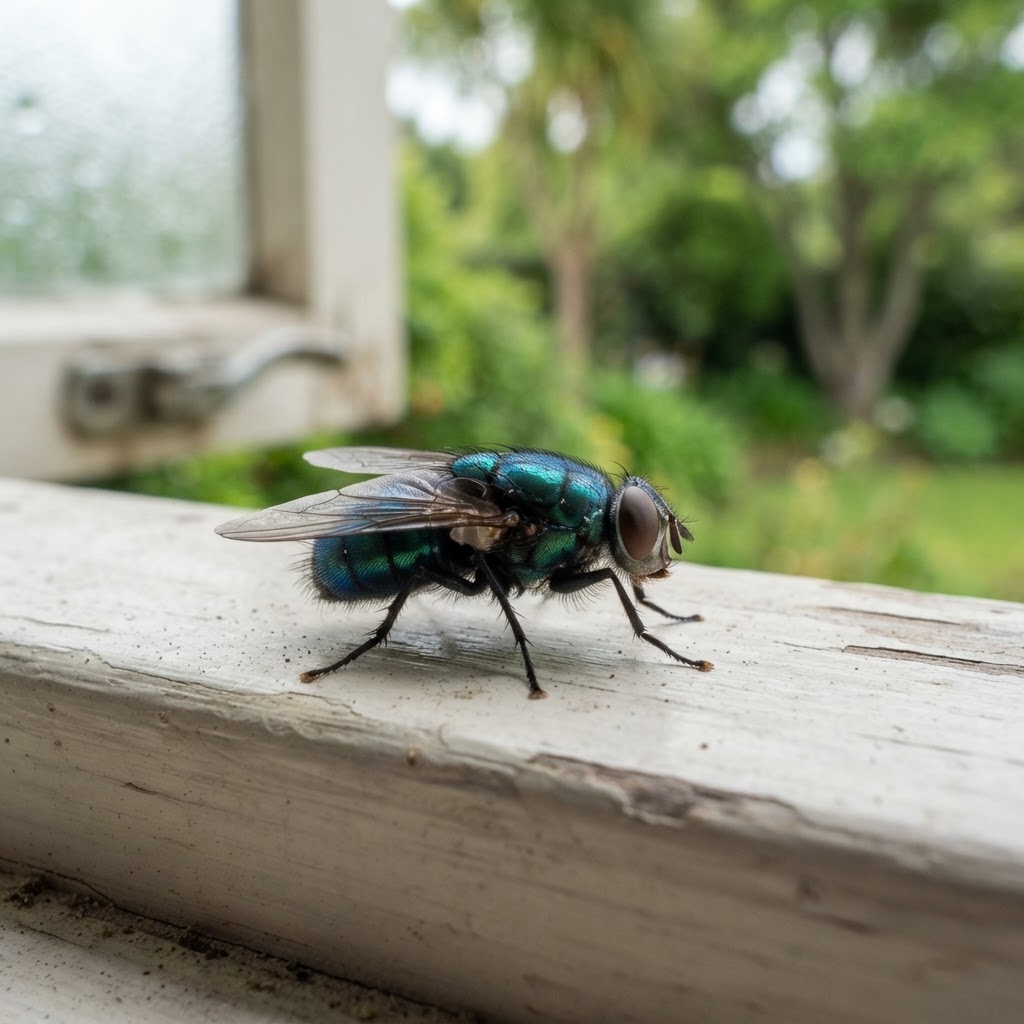
Blow Fly
Family Calliphoridae
The shiny bluebottle that finds the bin — and worse.
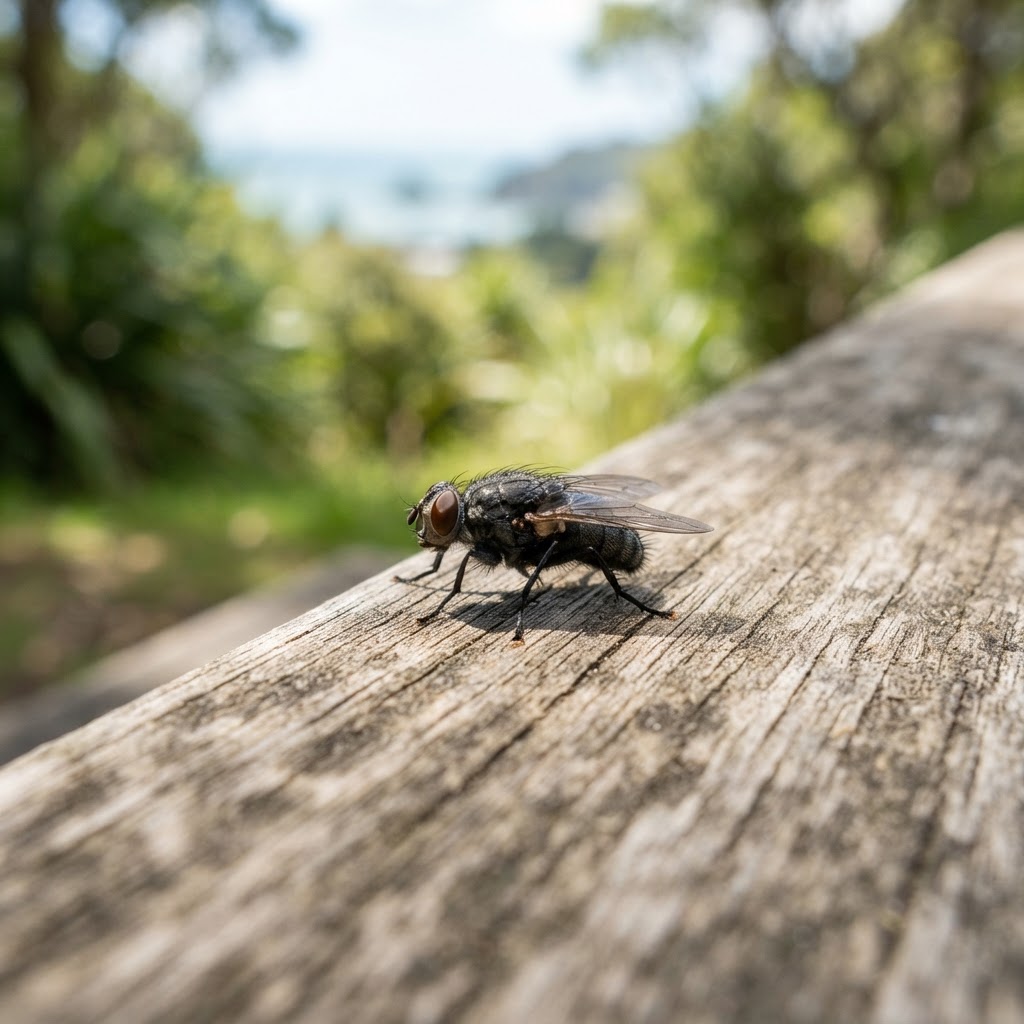
Bush Fly
Musca vetustissima
The persistent outdoor fly that swarms people and stock.
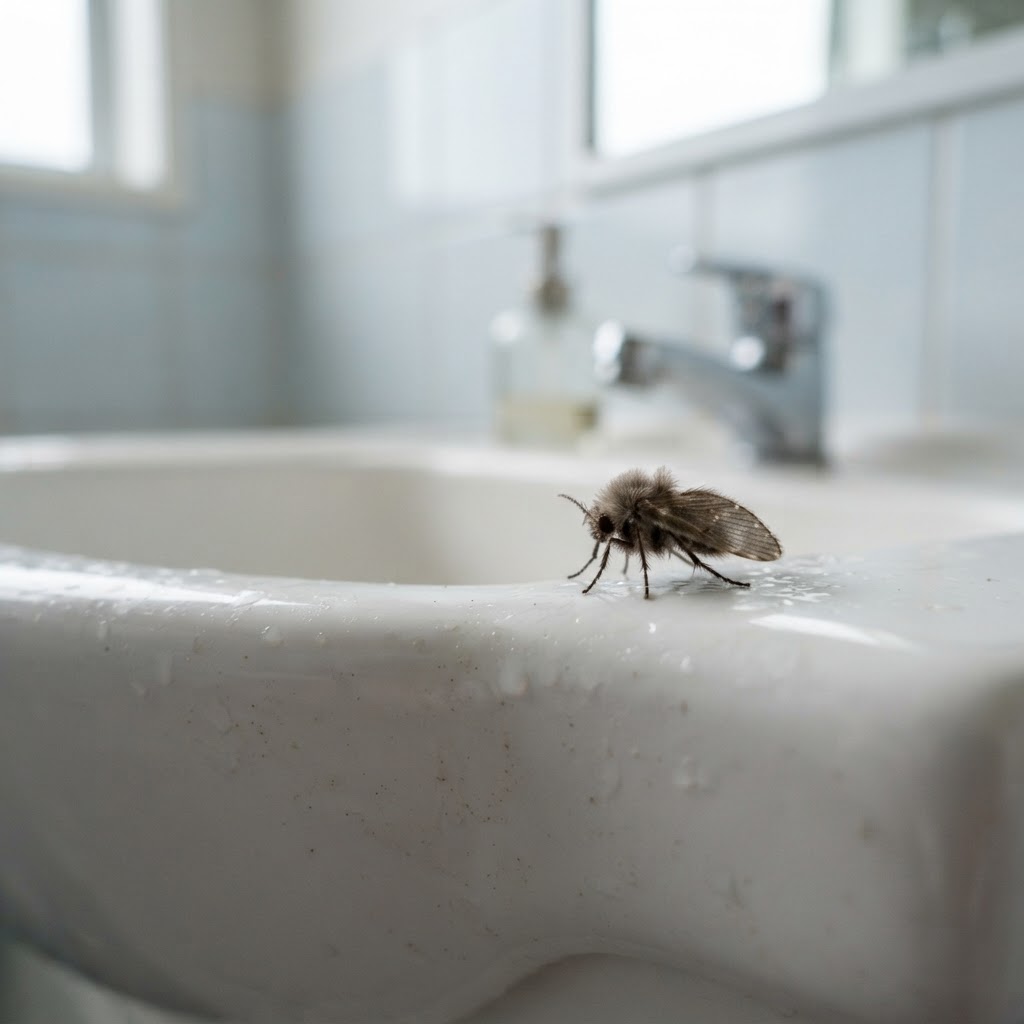
Drain Fly
Family Psychodidae
Tiny moth-like flies that live in your sinks and drains.
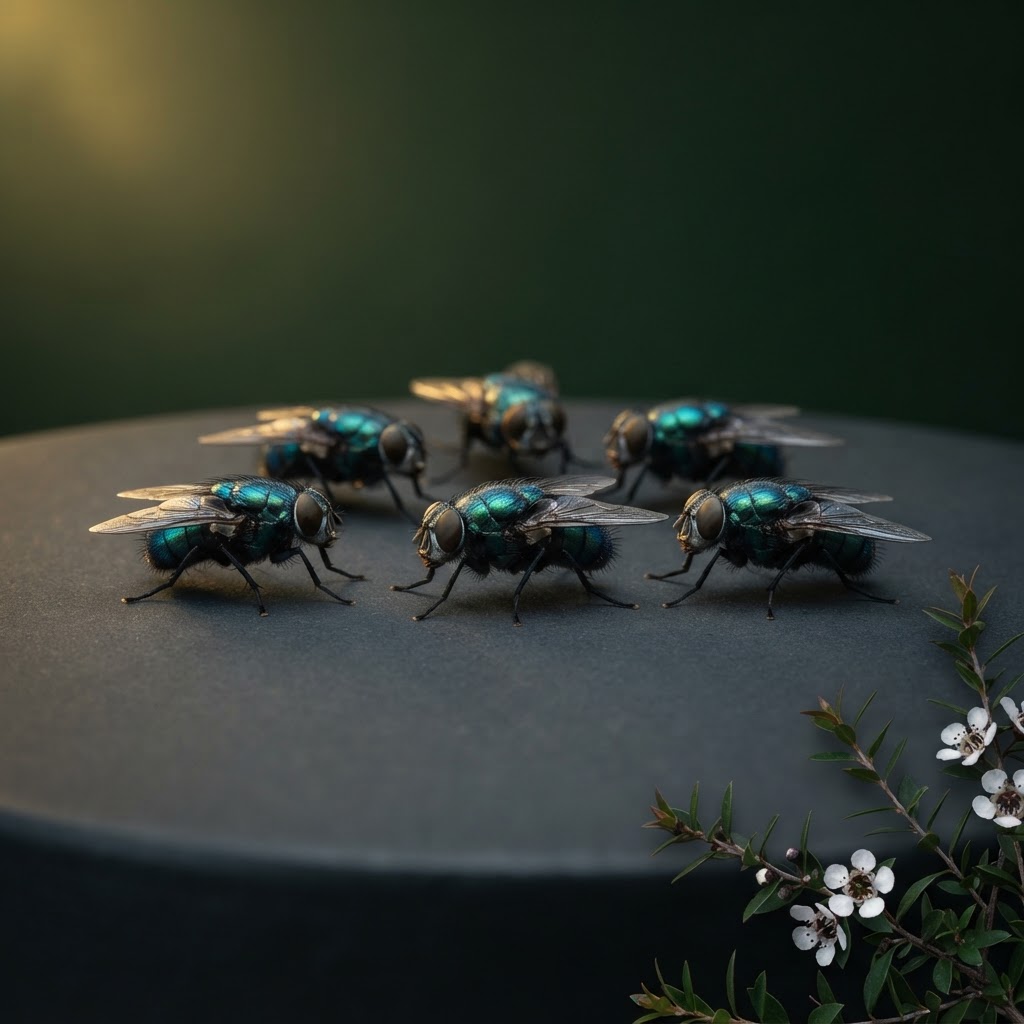
Horse Fly
Family Tabanidae
The big, biting fly that draws blood in a New Zealand summer.
Other pests we solve
Explore more NZ-specific pest guides and the bee-safe, reusable traps behind each one.
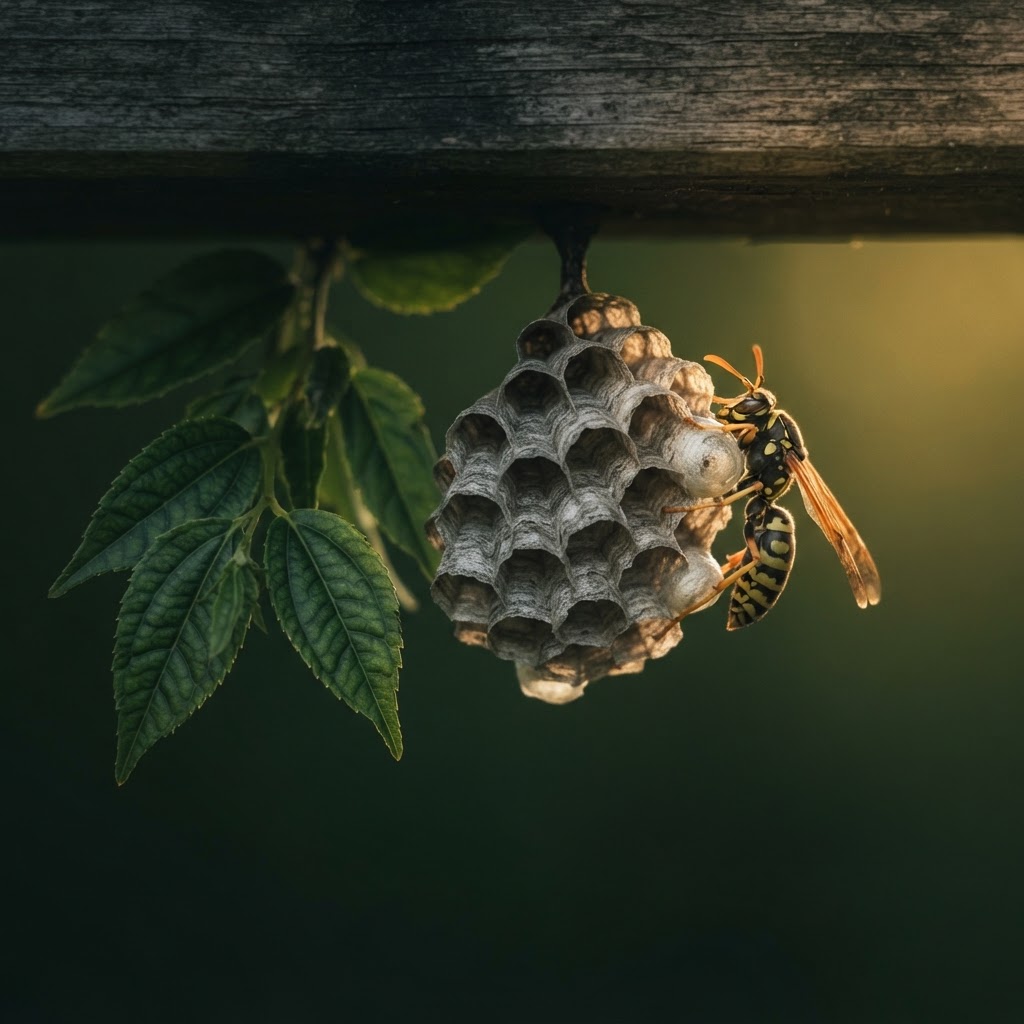
Wasps
Bee-safe wasp traps that lure wasps, not our precious pollinators.
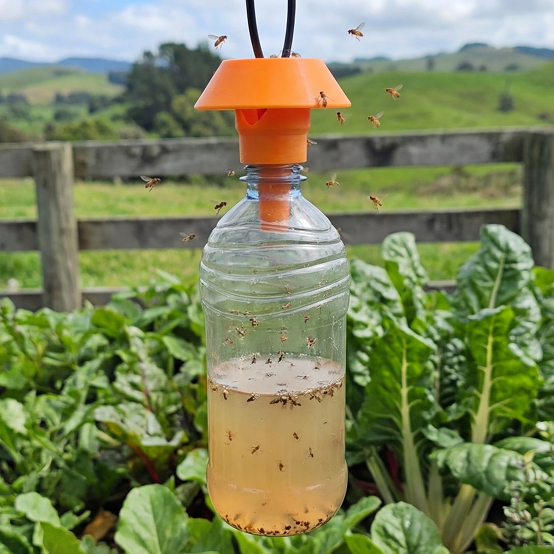
Fruit Flies
Reusable fruit fly traps using everyday pantry bait — no chemicals.
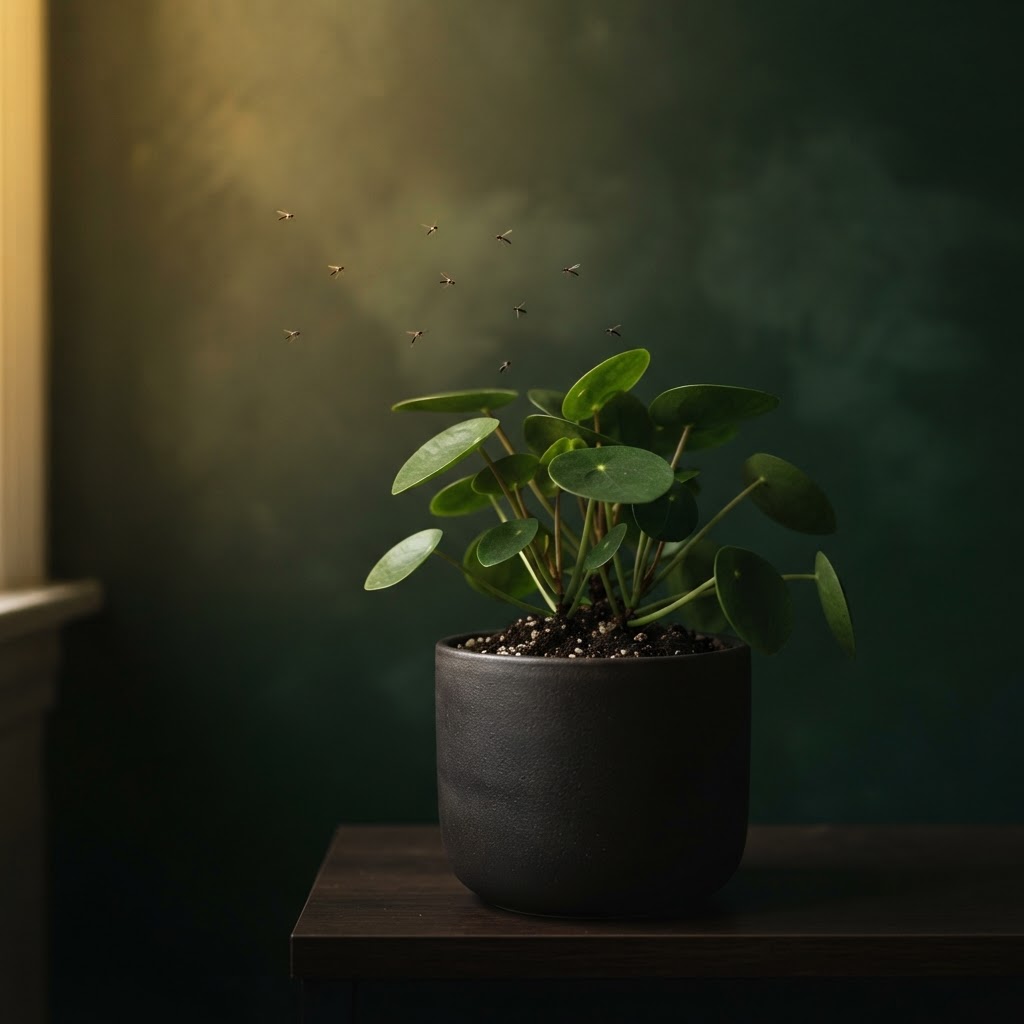
Fungus Gnats
Tiny black flies around your houseplants — beat them for good.
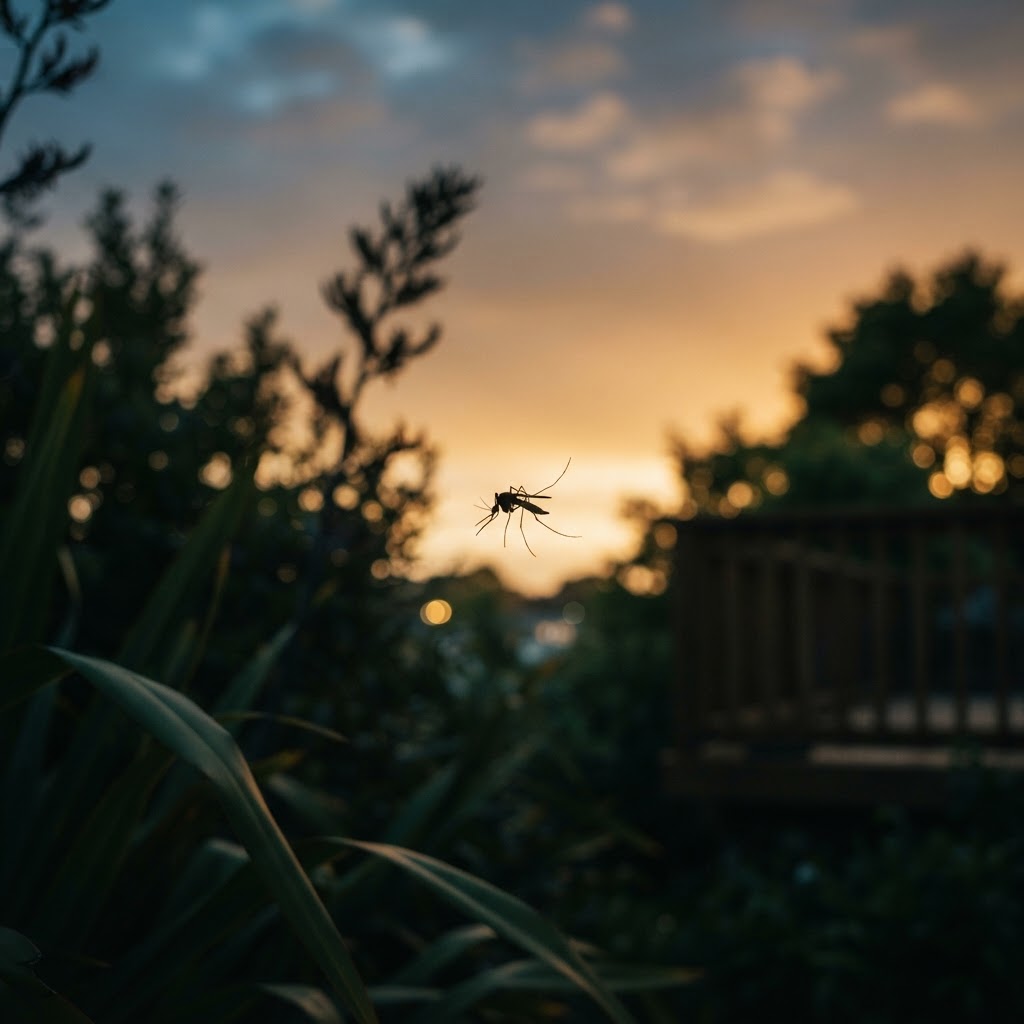
Mosquitoes
Reduce backyard biting with simple, chemical-free traps.
Moths
Pantry and clothes moth traps — stop the flutter, find the source.